
The journal
How to choose interfacing: woven, nonwoven, fusible or sew-in
Choose support for the particular fabric and pattern piece, then compare a small sample before committing to the garment.
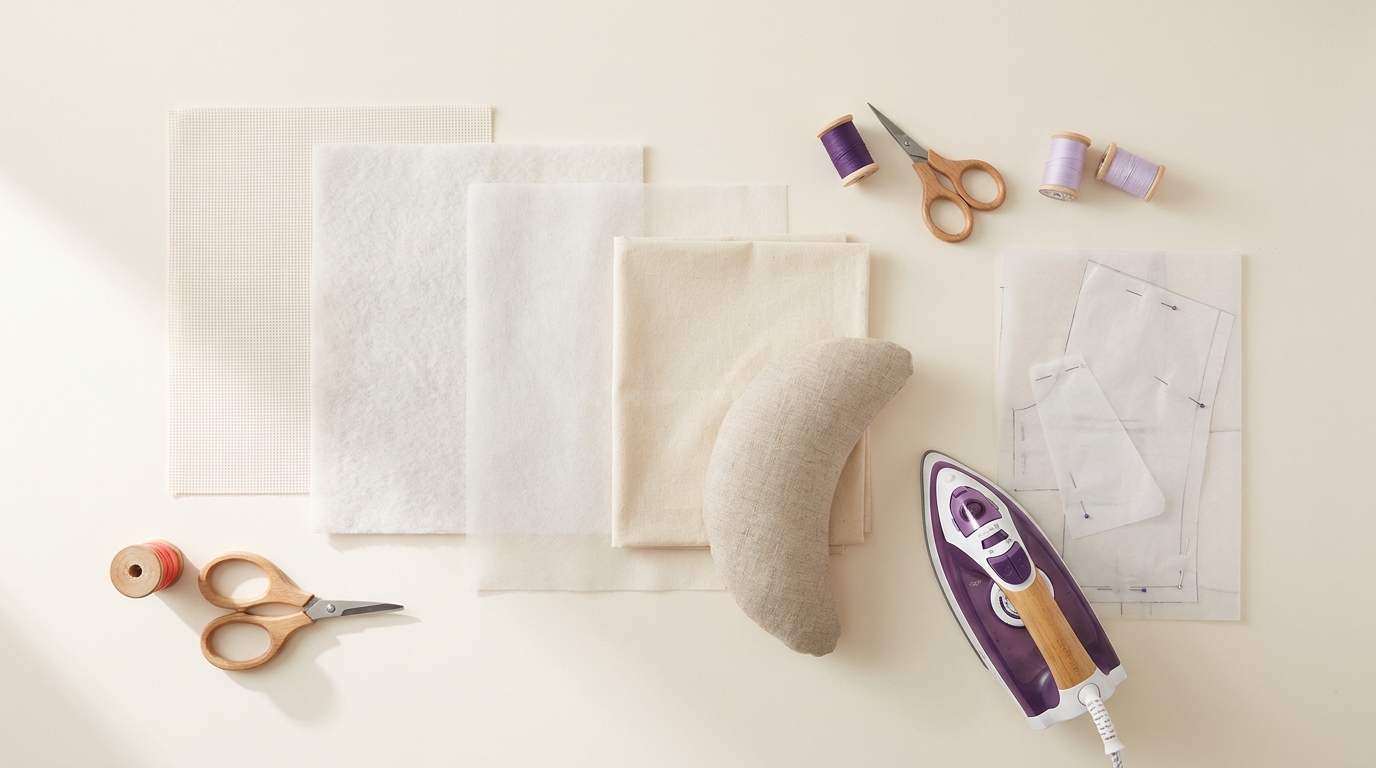
Key takeaways
- Start with the pattern piece and the support it needs, rather than choosing one “best” interfacing for everything.
- Woven, nonwoven and knit describe construction. Fusible and sew-in describe attachment.
- A small comparison in the actual project fabric is more useful than judging interfacing by weight alone.
What is the best type of interfacing?
The best choice is the one that supports the particular area without spoiling its intended drape, stretch or care requirements. Follow the pattern's recommendation as a starting point, then test it in your actual fabric. A firm bag panel and a soft blouse facing are different problems, even if both need reinforcement.
A lightweight garment interfacing is a reasonable candidate to compare for a lightweight collar or facing, but the name alone does not select the product. Check its recommended application, the fabric's tolerance for fusing and the finish you want. Do not buy enough for the whole garment before checking a sample.
Separate construction from attachment
Sulky's explanation of woven and nonwoven interfacing distinguishes thread-based construction from bonded fibres. Woven products have a grain to consider. Nonwoven does not mean every product has identical give in every direction: inspect the specific material and its instructions.
Stretch is another choice. A knit or stretch-compatible product may suit an area that must retain give, whereas a buttonhole or another detail may deliberately need stabilising. Pellon's FAQ shows that even its knit interfacings have different directional stretch. “Knit” alone is not a complete specification.
Fusible interfacing uses an adhesive activated under its prescribed conditions. Sew-in is attached during construction without relying on a fused bond. Either choice can still require attention to grain, weight and care. Sew-in is not automatically softer, and fusible is not automatically unsuitable for every delicate fabric.
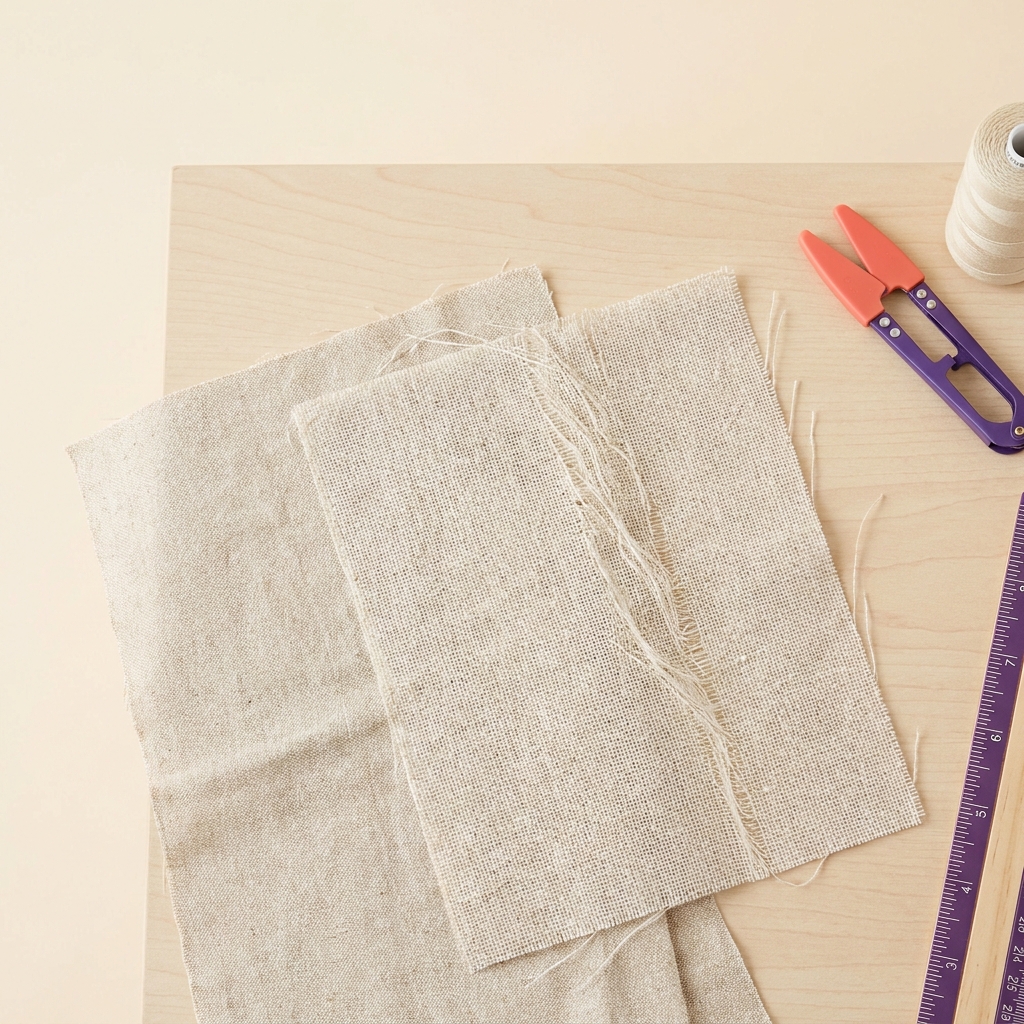
Choose for the part you are making
Write a short brief before comparing products. For example: “collar should hold an edge but roll softly”, “waistband should resist unwanted stretch”, or “bag panel should stand up”. These are proposed design goals, not product recommendations.
Then use the manufacturer's application information to shortlist appropriate candidates. The Vlieseline product range includes different interlinings for light fabrics, elastic fabrics and more structured garments. That variety is a reason to compare a product's actual purpose rather than assuming all woven or nonwoven options behave alike.
Include the finished article's cleaning needs in your brief. A washable outer fabric does not establish that every adhesive, lining and reinforcement can share the same wash and drying process.
Make a comparison sample
- Keep an untreated scrap as a reference and label it.
- Apply each candidate to a matching scrap using the required orientation and attachment instructions.
- Allow a fused sample to cool for the specified period before judging the bond.
- Fold, handle and stitch a representative seam in each sample. Include topstitching if the finished piece will have it.
- Compare drape, surface appearance, stretch where needed and seam bulk. If washable, check the planned care process on the sample.
This is a proposed home comparison, not a claim that Made in Steps has tested these products. Keep notes about the actual materials and application settings so you can repeat the successful combination.

Use the exact fusing instructions
The G 785 product instructions, for example, specifies a damp cloth and its own fusing conditions and recommends testing before use. Its settings are not a universal recipe for another interfacing.
Do not lower the temperature at random to protect a sensitive fabric and assume the adhesive still bonded correctly. If the conditions needed by the interfacing are incompatible with the fabric, choose a suitable alternative or a pattern-approved sew-in method. Check instructions for pressing versus sliding the iron and for cooling before handling.
If a sample bubbles, shows adhesive, discolours or feels wrong, stop before applying it to the cut garment. Changing the product on a scrap is easier than removing fused material from the finished collar. Repeatedly heating a damaged sample is not a reliable general repair.
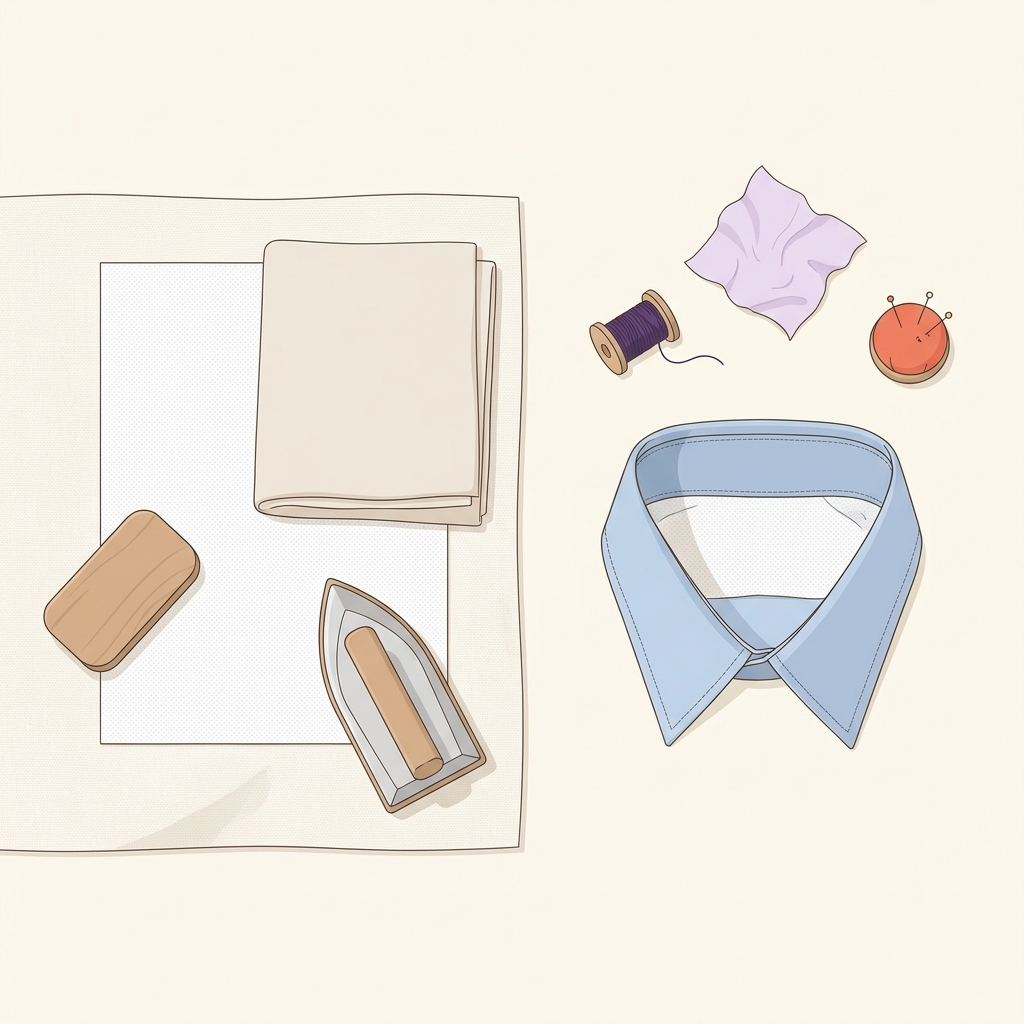
Before cutting the garment pieces
For the surrounding construction, see our beginner sewing guide and guide to cut sizes and seam lines.
Common questions
Is woven always better than nonwoven?
No. Choose the particular product for the fabric, part and intended finish. Construction alone does not establish the best result.
Must a stretch garment use stretchy interfacing everywhere?
No. Some areas need to keep their stretch and others are deliberately stabilised. Follow the pattern and test the intended area.
Can I substitute a sew-in product?
Possibly, but review how it will be secured and how it changes bulk and drape. Test the construction rather than assuming it is an exact swap.