
The journal
What stabilizer works best on embroidery towels?
Match towel backing and topper to the fabric, design and machine. A Sulky terry-towel example uses tear-away underneath and water-soluble film over the loops.
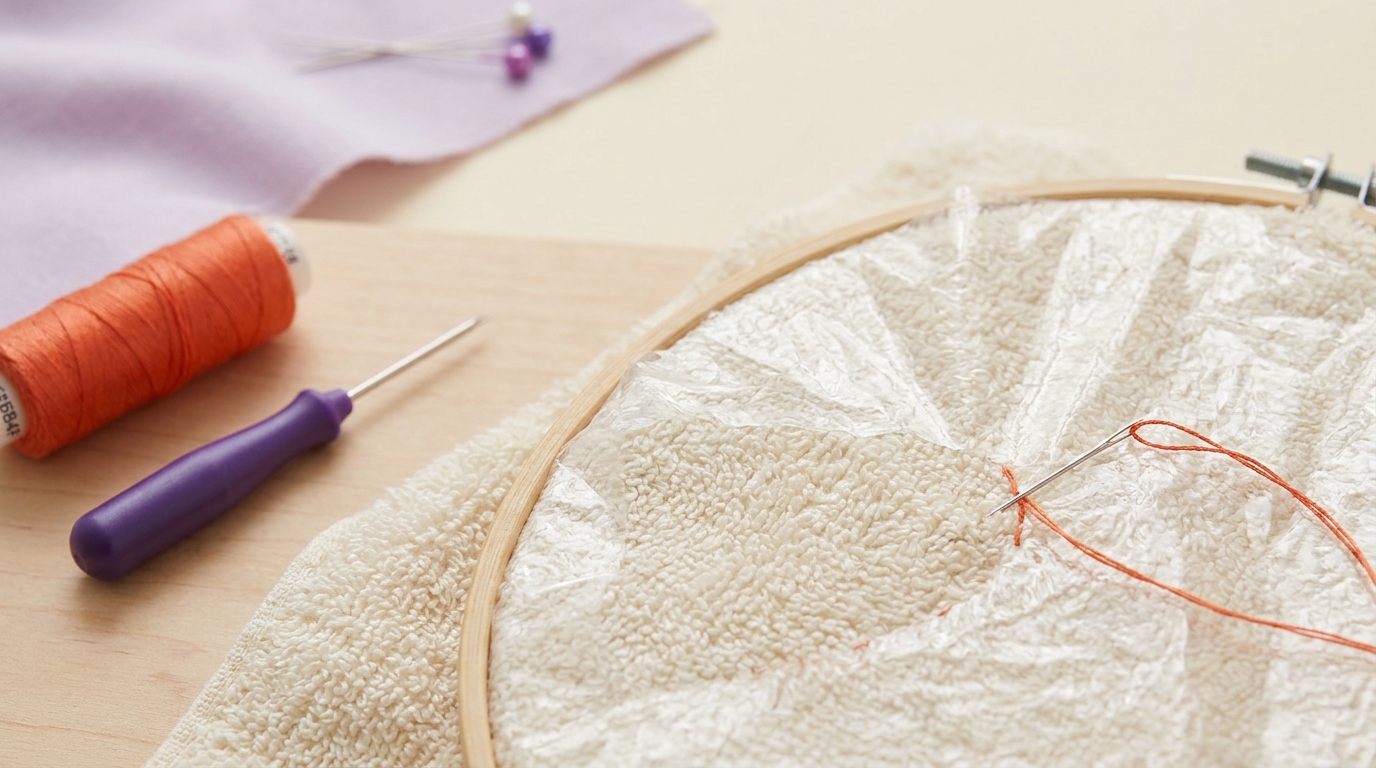
For bath and terry towels, one maker-recommended starting setup is 1-2 layers of a tear-away backing under the towel plus a water-soluble topper on top so loops don’t poke through the stitches. Sulky describes that combination for bath towels, with the topper controlling the nap during stitching [Sulky stabilizer Q&A].
Pick the stabilizer by towel type
Terry and bath towels (looped nap)
- Backing: 1-2 layers of lightweight tear-away, depending on towel thickness [Sulky stabilizer Q&A].
- Topper: A water-soluble film topper to hold loops down so they don’t peek through the embroidery [Sulky stabilizer Q&A].
- Alternative topper: A heat-removable film can be used instead of a water-soluble topper when the design has no open areas; it pulls away after stitching and remaining film is removed with heat [Sulky stabilizer Q&A].
Decorative kitchen/tea towels (flat woven)
- Wash-away backing: A water-soluble backing that completely dissolves after the first wash works well on flour sack and dish towels; use two layers if the design is dense [Sulky stabilizer Q&A].
- Tear-away option: If you won’t be washing before gifting, a tear-away backing is acceptable [Sulky stabilizer Q&A].
- Light cut-away for longevity: For decorative towels you expect to launder often, a soft, lightweight cut-away left behind and trimmed close can help prevent the design from balling or puckering in the wash [Sulky stabilizer Q&A].
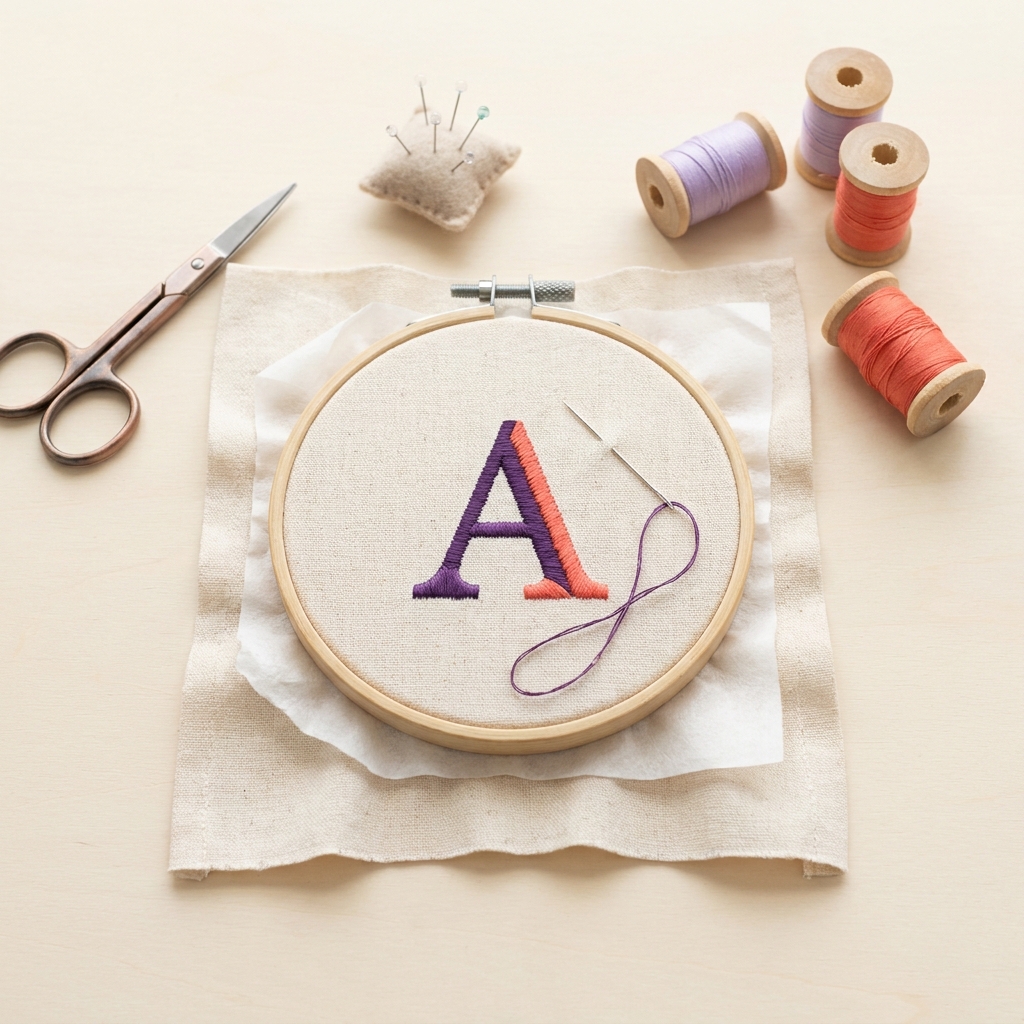
Backing vs topper: what each does
- Backing (under the towel) supports the fabric during stitching. On wovens, two light layers of tear-away or one medium tear-away are commonly used for decorative stitching and embroidery [Sue Hausmann stabilizing tips].
- Topper (on the towel’s surface) prevents loops or texture from migrating into the design so edges stay crisp. A water-soluble film topper is specifically advised for terry towels [Sulky stabilizer Q&A].
Hooping and setup that keeps towels stable
- Hoop the stabilizer, not the towel: One option for bulky towels is to hoop a suitable stabilizer, then place and baste the towel to it (“float” the towel). This helps avoid stretching and works well on bulky items [Sue Hausmann stabilizing tips].
- Use stabilizer larger than your frame: Cut a piece that extends beyond your embroidery frame to keep tension consistent [Brother help: attaching stabilizer].
- Layer for dense designs: Float an extra tear-away layer under the hoop or use a second wash-away layer on dish towels if the stitch count is high [Sue Hausmann stabilizing tips] [Sulky stabilizer Q&A].
- Consider a compatible topper for nap: Place the water-soluble film on top of terry before stitching and remove it after [Sulky stabilizer Q&A].
Removing the stabilizer
- Tear-away: Support stitches with a hand and gently remove the tear-away backing underneath; treat the surface topper separately after stitching [Sue Hausmann stabilizing tips].
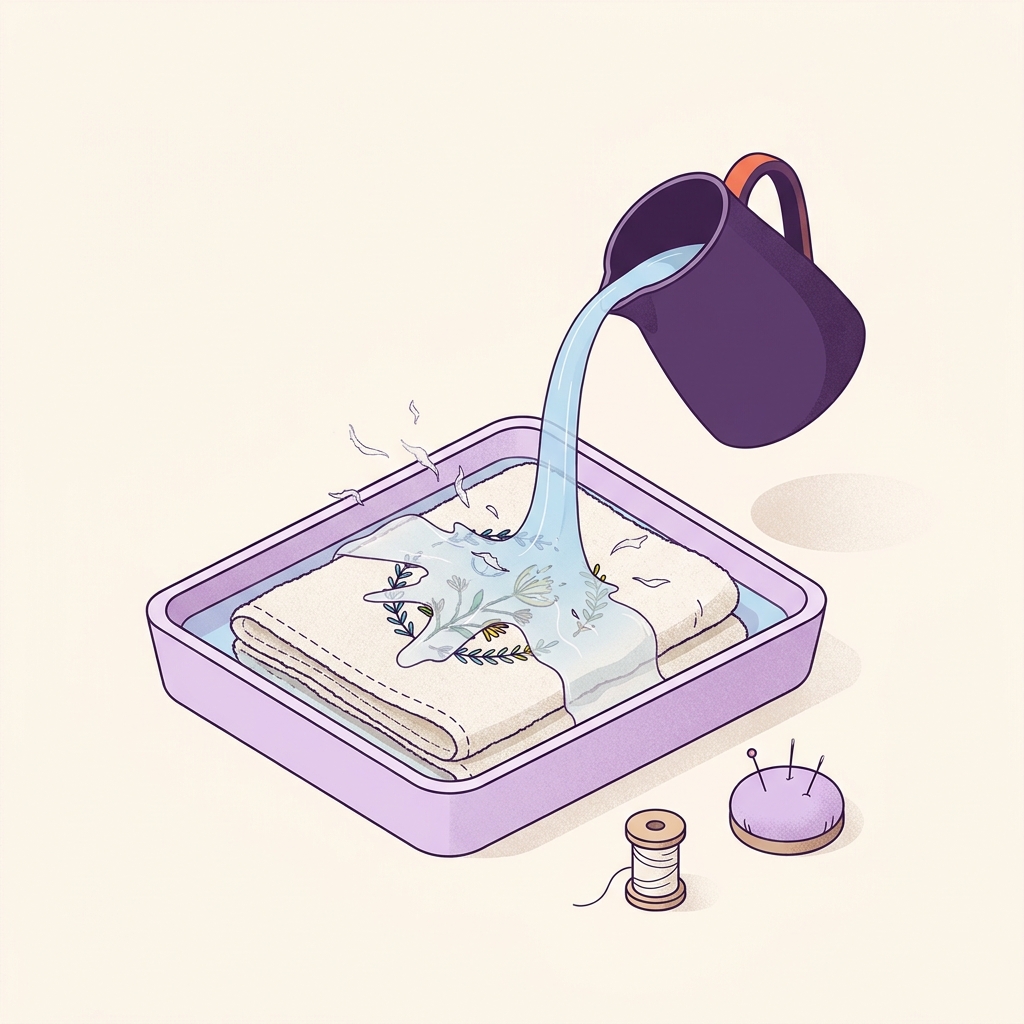
- Water-soluble topper/backing: Trim away the excess and rinse or wash out per product directions so nothing remains visible [Sulky stabilizer Q&A].
- Heat-removable topper: Pull away what you can, then follow with heat to clear remaining film; use only if the towel tolerates the specified heat and the exact product and design instructions permit it [Sulky stabilizer Q&A].
Put this into practice
Write down hand or machine embroidery, towel fabric, design and stabilizer-removal method before choosing supplies. Test a small compatible sample through the intended washing process before decorating the finished towel.
Towel embroidery stabilizer setup: quick checklist
Short FAQ
Do I really need a topper on terry or velour towels?
Yes. A water-soluble film topper is recommended so the loops don’t push through and fuzz the design edges [Sulky stabilizer Q&A].
My decorative towel puckers after washing. What should I change?
Consider switching from a removable backing to a lightweight cut-away left behind and trimmed close. A permanent backing can help prevent the design from balling up with repeated laundering [Sulky stabilizer Q&A].
Can I embroider a towel without hooping the towel itself?
Yes. Hoop only the stabilizer, place the towel on top, and baste in the hoop. Check the machine’s clearance and the chosen stabilizer’s attachment instructions; the towel must remain secure throughout stitching [Sue Hausmann stabilizing tips].
Related reading on Made in Steps:
- How do you know your hoop size? Practical embroidery hoop guide
- What needle size should I use for different fabrics?

Optional equipment for this guide
Match the stabilizer to the exact embroidery method and towel before buying. Test on a sample and follow both removal instructions and the towel’s care label.
As an Amazon Associate I earn from qualifying purchases. These are researched options, not hands-on test results. Check the exact size or model, current price and availability on Amazon.
| Product option | Fit and limits to check | Retailer |
|---|---|---|
| Product imageSulky Sticky Fabri-Solvy sheets, 8.5 × 11 inches / 12-pack | A water-soluble stabilizer option for a compatible, washable project. Check the actual stabilizer instructions and fabric care; it is not a substitute for every backing or permanent stabilizer. | View on Amazon |