
The journal
What needle size should I use for different fabrics?
A practical guide to match sewing-machine needle size and point to fabric type, with clear size ranges, testing steps and quick fixes.
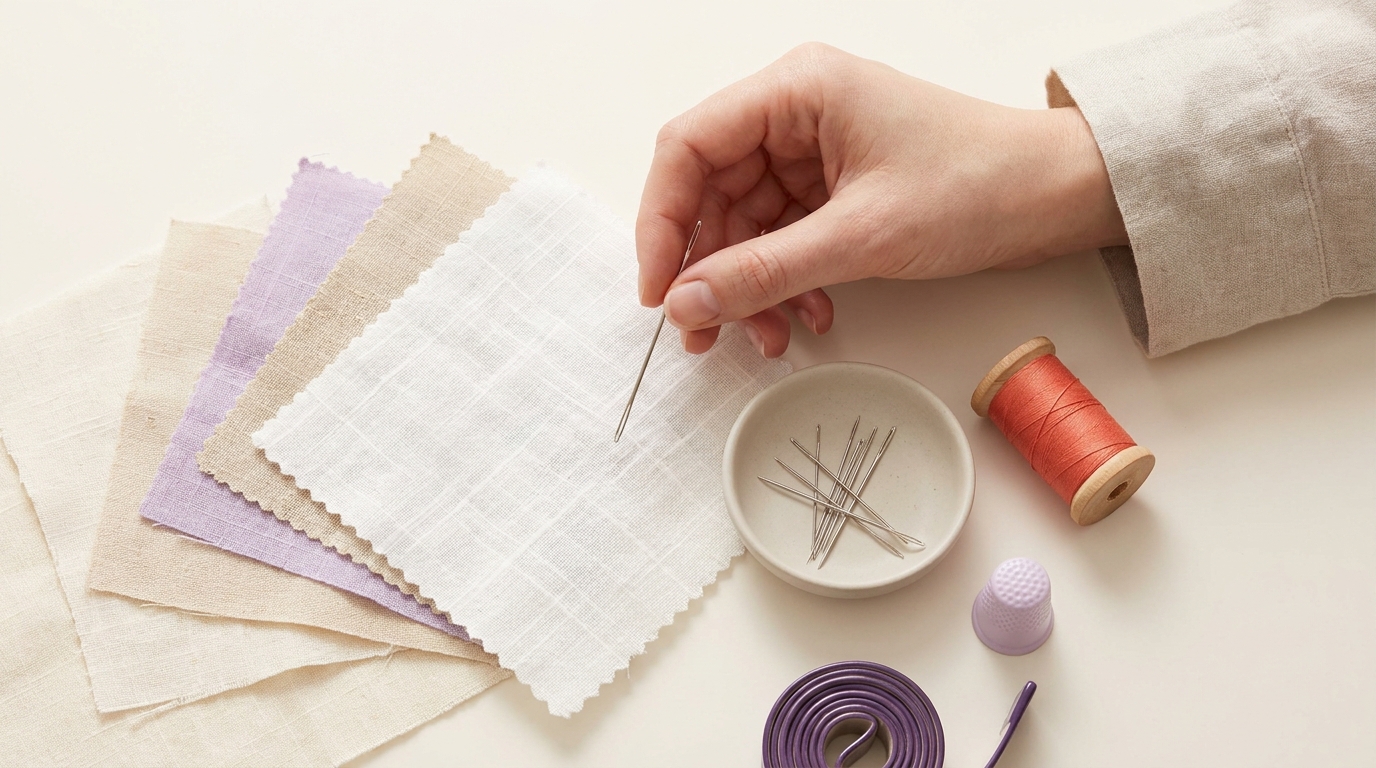
Short answer: use a finer needle (smaller numbers) for lighter fabrics and a larger needle for heavier fabrics, and choose the point style to suit the fabric construction (sharp for tightly woven fabrics, ballpoint/stretch for knits, jeans for dense wovens, leather for hides). As a reference, 90/14 is commonly a medium size; go down for sheers and up for denim or multilayer seams (see: https://www.seamwork.com/fabric-guides/how-to-choose-a-sewing-machine-needle-for-your-project?srsltid=AYCX9vJKcv53S24QrZme8oMQ3kFwXp7WQb9AFe3hblYqi-SOzFCK_mBd). Always test on a scrap made from the same layers you’ll sew.
Needle sizes by fabric, at a glance
- Very light wovens (chiffon, organza, fine silk): Microtex/Sharp 60/8-70/10. The very sharp point pierces tight weaves cleanly. Test with a 60/8 first if the fabric is extremely delicate (see: https://www.seamwork.com/fabric-guides/how-to-choose-a-sewing-machine-needle-for-your-project?srsltid=AYCX9vJKcv53S24QrZme8oMQ3kFwXp7WQb9AFe3hblYqi-SOzFCK_mBd).
- Light wovens (voile, lawn, batiste): Universal or Microtex 70/10-80/12.
- Medium wovens (quilting cotton, poplin, light linen blends): Universal 80/12. For precise piecing, a Jeans/Denim 80 can also work well (see: https://weallsew.com/five-basic-sewing-needles-you-need-and-why/?doing_wp_cron=1792794774.7797639369964599609375).
- Heavy wovens and multiple layers (twill, canvas, denim): Jeans/Denim 90/14-110/18. Use larger sizes for thicker fabric or many layers. If using heavy topstitch thread, consider a topstitch or jeans needle with a larger eye (see: https://www.seamwork.com/fabric-guides/how-to-choose-a-sewing-machine-needle-for-your-project?srsltid=AYCX9vJKcv53S24QrZme8oMQ3kFwXp7WQb9AFe3hblYqi-SOzFCK_mBd).
- Everyday knits (T‑shirt jersey, interlock): Jersey/Ballpoint 75/11-80/12 to slide between loops instead of cutting them (see: https://www.seamwork.com/fabric-guides/how-to-choose-a-sewing-machine-needle-for-your-project?srsltid=AYCX9vJKcv53S24QrZme8oMQ3kFwXp7WQb9AFe3hblYqi-SOzFCK_mBd).
- High‑stretch knits (swim, activewear with spandex): Stretch 75/11-90/14 to reduce skipped stitches on elastic fabrics (see: https://www.seamwork.com/fabric-guides/how-to-choose-a-sewing-machine-needle-for-your-project?srsltid=AYCX9vJKcv53S24QrZme8oMQ3kFwXp7WQb9AFe3hblYqi-SOzFCK_mBd).
- Sweater knits and loosely knitted fabrics: Jersey/Ballpoint 80/12.
- Quilting through a sandwich (top + batting + backing): Quilting 90/14 for reliable stitch formation through bulky fibers (see: https://weallsew.com/five-basic-sewing-needles-you-need-and-why/?doing_wp_cron=1792794774.7797639369964599609375).
- Leather or vinyl: Leather 90/14-110/18. Holes are permanent, so test on a scrap first (see: https://www.seamwork.com/fabric-guides/how-to-choose-a-sewing-machine-needle-for-your-project?srsltid=AYCX9vJKcv53S24QrZme8oMQ3kFwXp7WQb9AFe3hblYqi-SOzFCK_mBd).
Tip on numbers: needle packs show two sizes, European and American (for example, 90/14). Heavier fabric = larger numbers; lighter fabric = smaller numbers (see: https://www.seamwork.com/fabric-guides/how-to-choose-a-sewing-machine-needle-for-your-project?srsltid=AYCX9vJKcv53S24QrZme8oMQ3kFwXp7WQb9AFe3hblYqi-SOzFCK_mBd).
Choose the point type first, then the size
Pick the needle type to match fabric construction, then size up or down for thickness and layers (see: https://weallsew.com/five-basic-sewing-needles-you-need-and-why/?doing_wp_cron=1792794774.7797639369964599609375):
- Universal: a general option for many light‑to‑medium wovens.
- Microtex/Sharp: very fine, precise point for tightly woven fabrics and sheers.
- Jersey/Ballpoint: rounded tip for knits so loops aren’t cut.
- Stretch: engineered to reduce skipped stitches on very elastic knits.
- Jeans/Denim: strong shank and sharp point for dense wovens and layers.
- Leather: wedge blade cuts clean holes in hide and coated synthetics.
How to test and troubleshoot quickly
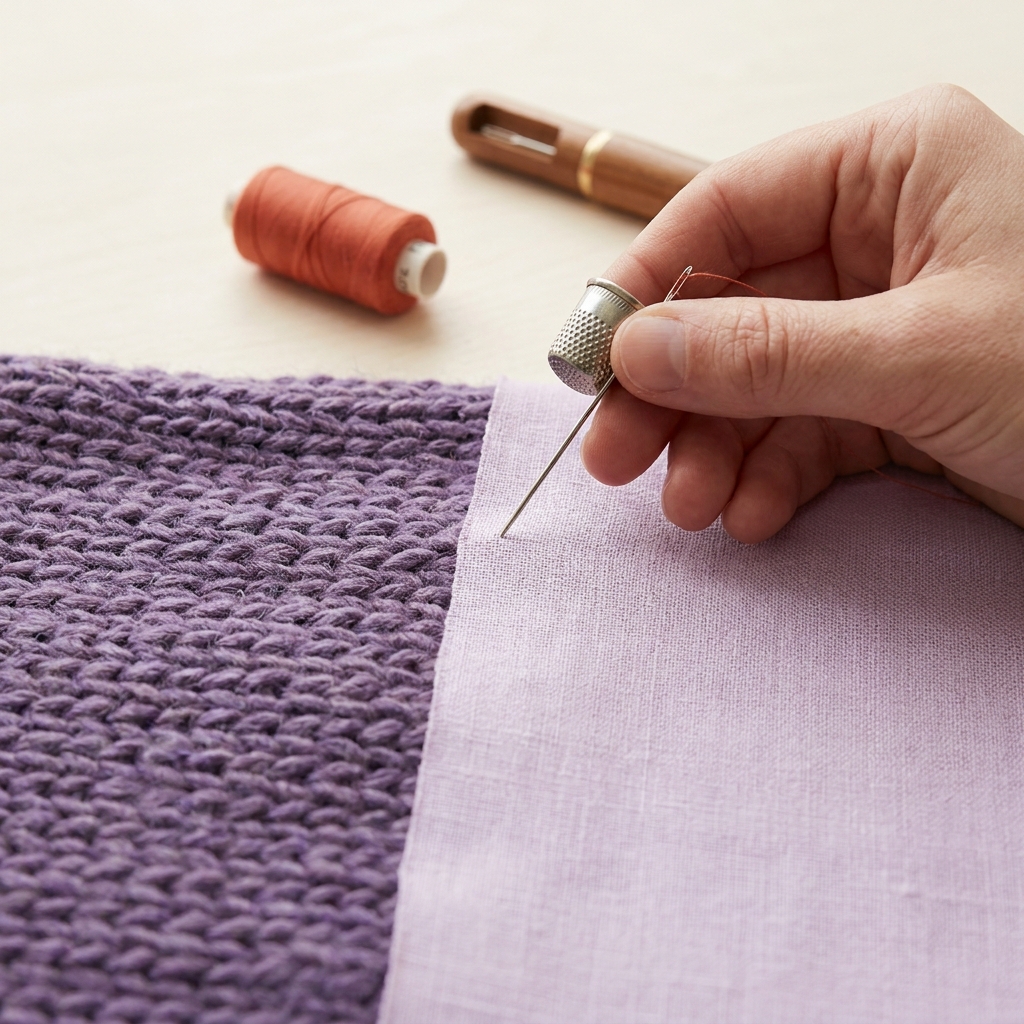
Before you commit to seams, stitch several lines on a representative scrap of the same layers. Check that holes aren’t oversized, there’s no puckering, and stitches form cleanly. If you hear crunching as the needle pierces, the point or size is likely wrong (see: https://www.seamwork.com/fabric-guides/how-to-choose-a-sewing-machine-needle-for-your-project?srsltid=AYCX9vJKcv53S24QrZme8oMQ3kFwXp7WQb9AFe3hblYqi-SOzFCK_mBd).
- Skipped stitches or thread fraying: move one size up or switch to a point better matched to the fabric (see: https://weallsew.com/five-basic-sewing-needles-you-need-and-why/?doing_wp_cron=1792794774.7797639369964599609375).
- Puckering or visible holes on delicate cloth: try a finer needle, shorten stitch slightly, or add suitable interfacing where structure is needed.
- Still inconsistent after sensible needle changes: stop and inspect the needle for burrs, rethread, and consult your machine manual; persistent issues may require a technician check (see: https://weallsew.com/five-basic-sewing-needles-you-need-and-why/?doing_wp_cron=1792794774.7797639369964599609375).
Treat needle, thread and fabric as one setup. Note the needle system your machine requires and follow the manual when fitting or changing needles. Keep your test seam with the pattern details for later reuse (see: https://madeinsteps.com/guides/beginner-sewing/).
Before you sew: confirm your needle choice
Real-world examples
- Light blouse in lawn or voile: Microtex 70/10 or Universal 70/10, fine all‑purpose thread. Test buttonholes on a stabilized scrap.
- Jersey T‑shirt: Jersey/Ballpoint 75/11-80/12 with polyester thread; use Stretch 75/11 if you see skipped stitches on high‑spandex knit.
- Denim hem or canvas bag: Jeans 90/14 for medium denim; 100/16-110/18 for heavy denim or multiple layers. Consider a longer stitch for thick seams.
- Small leather patch: Leather 90/14-100/16. Test spacing first; holes won’t self‑heal.
Care, replacement and notes
- Use a fresh needle at the start of a project or after a long/heavy one; replace immediately if you see bends, nicks, frequent fraying, or after striking a pin or zipper (see: https://weallsew.com/five-basic-sewing-needles-you-need-and-why/?doing_wp_cron=1792794774.7797639369964599609375).
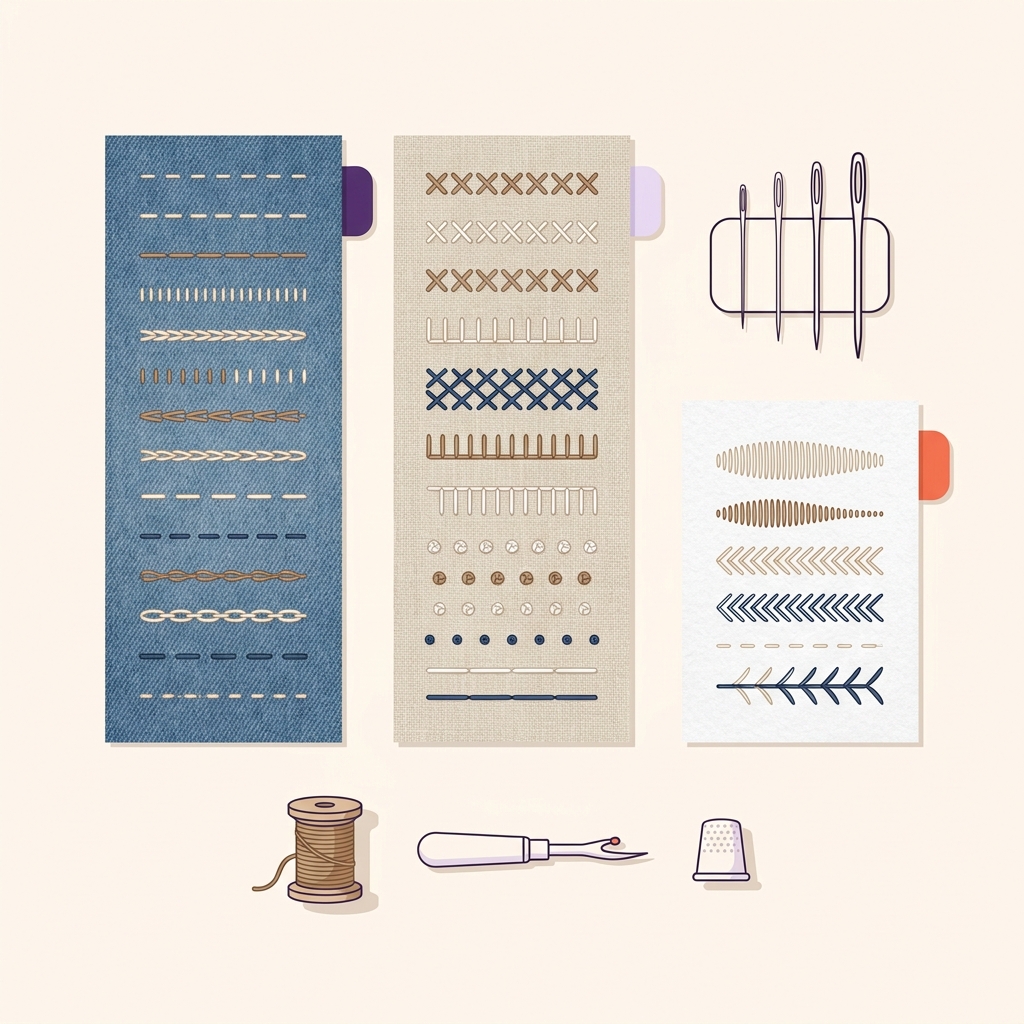
- Keep a small set on hand: Microtex 70/10-80/12, Universal 70/10-80/12, Jersey 75/11-80/12, Stretch 75/11, Jeans 80/12-110/18, Quilting 90/14, Leather 90/14-110/18 (see: https://weallsew.com/five-basic-sewing-needles-you-need-and-why/?doing_wp_cron=1792794774.7797639369964599609375).
- Record what worked with your pattern pieces; it speeds up future setup (see: https://madeinsteps.com/guides/beginner-sewing/).
Related how-tos
- How to choose interfacing: woven, nonwoven, fusible or sew-in
- What is the best way to trace pattern pieces onto fabric?
FAQ
What do the two numbers on a needle pack mean?
They are the European and American sizes for the same needle (for example, 90/14). Higher numbers indicate a larger, stronger needle suitable for heavier materials (see: https://www.seamwork.com/fabric-guides/how-to-choose-a-sewing-machine-needle-for-your-project?srsltid=AYCX9vJKcv53S24QrZme8oMQ3kFwXp7WQb9AFe3hblYqi-SOzFCK_mBd).
Can one needle type work for everything?
Not reliably. Universal works for many light‑to‑medium wovens, but knits, very dense wovens, leather and multilayer seams perform better with dedicated needle types (see: https://www.seamwork.com/fabric-guides/how-to-choose-a-sewing-machine-needle-for-your-project?srsltid=AYCX9vJKcv53S24QrZme8oMQ3kFwXp7WQb9AFe3hblYqi-SOzFCK_mBd).
What if I’m still getting skipped stitches after changing needles?
Re‑thread, try one size larger or a better‑matched point, and re‑test. If problems persist, consult your manual and consider a service check to rule out timing or burrs (see: https://weallsew.com/five-basic-sewing-needles-you-need-and-why/?doing_wp_cron=1792794774.7797639369964599609375).