
The journal
What to do with the notches on a sewing pattern
A clear, practical guide to marking and using notches so your seams align and sleeves face the right way. Methods for different fabrics, what single and double notches mean, and common mistakes to avoid.
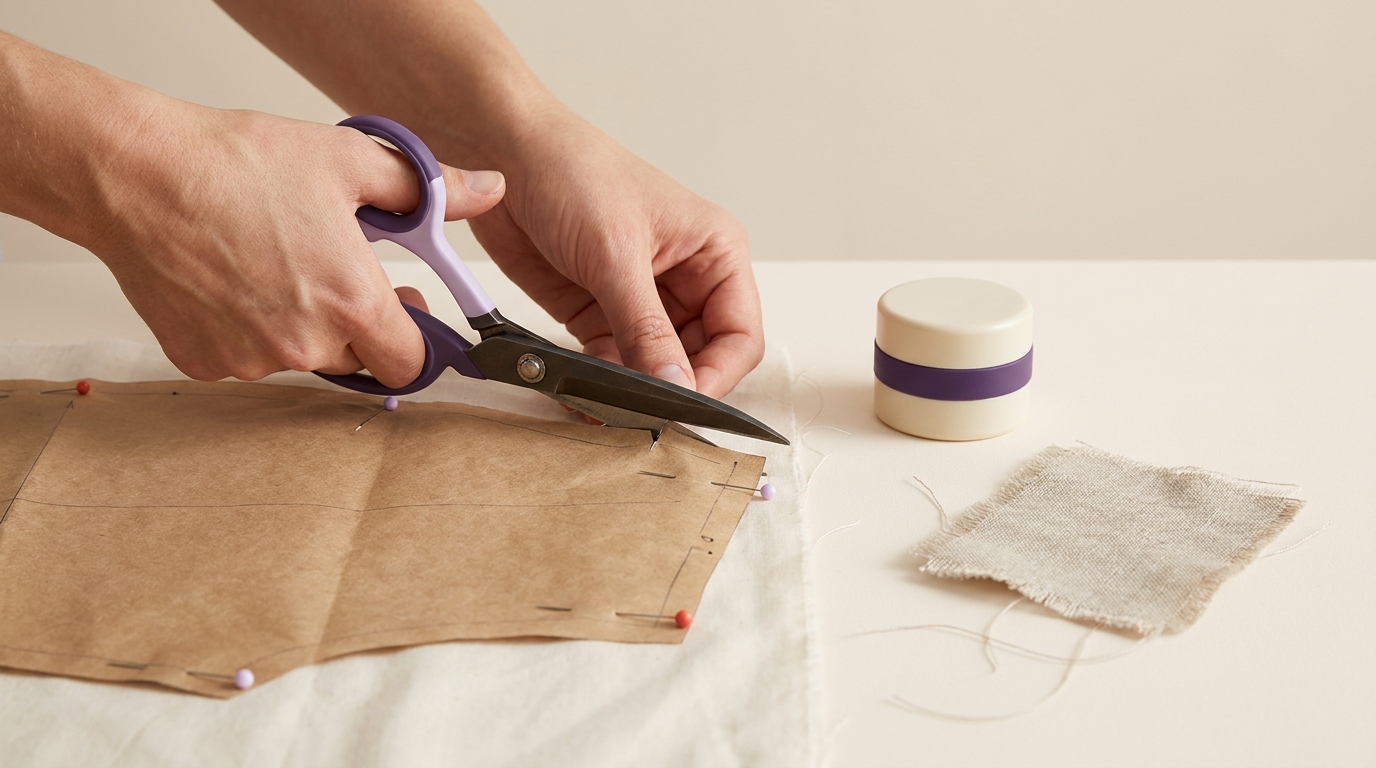
Transfer the notches from your paper pattern to the fabric, then match those notches as you pin or clip seams so pieces join in the right place and orientation. Use a transfer method that suits your fabric and seam allowance, and always check single vs double notches before you sew In the Folds: Notching patterns Doina Alexei: What Are Notches.
What notches mean and how to read them
A notch is a small mark at the edge of a pattern piece used as a guide for joining seams, orienting pieces, and locating design details like pleats and darts. Notches also work as balance points so long or curved seams meet accurately In the Folds: Notching patterns.
Common conventions you’ll see
- Front vs back: a single notch often marks the front and double notches mark the back on corresponding seams such as sleeves and armholes Doina Alexei: What Are Notches.
- Balance and details: notches may indicate centers, seam allowances, or where gathers and panels meet. Always check the pattern’s symbol key In the Folds: Notching patterns.
- Notches for alignment are different from clipping seam allowances to release tension on curves; don’t confuse the two Doina Alexei: What Are Notches.
How to transfer notches to fabric
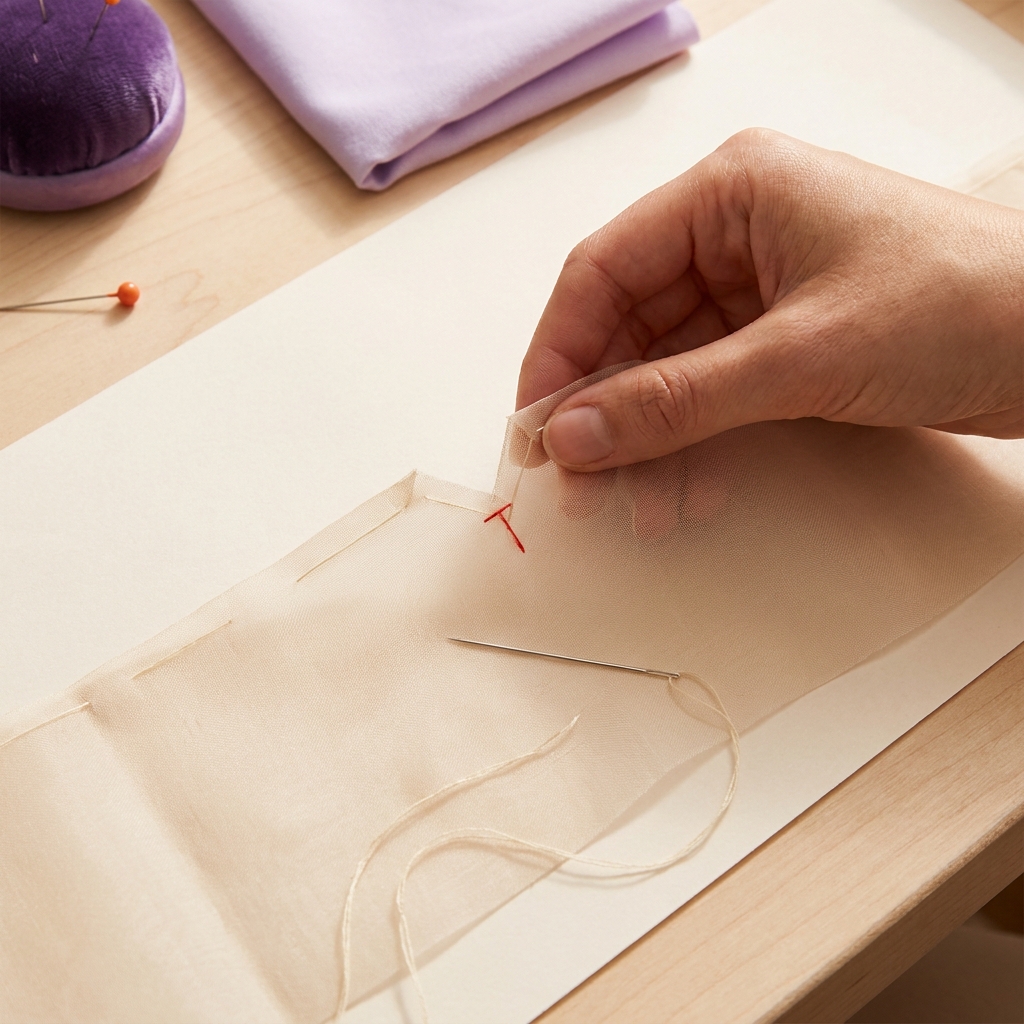
Mark before you remove the paper pattern from the cut fabric so every layer gets a precise transfer Doina Alexei: Transfer Notches. If you’re new to tracing and cutting, see our step-by-step: How to transfer patterns to fabric without transfer paper.
Small snips inside the seam allowance
- Make a tiny snip at each notch, staying well within the seam allowance. Keep cuts shallow (about 2-3 mm) and never past halfway through the allowance so you don’t weaken the seam The Cutting Class: Pattern Notches Doina Alexei: Transfer Notches.
- Good for stable fabrics and standard allowances. Avoid deep cuts on fraying fabrics.
Outward triangle notches
- Cut small triangles pointing outward from the edge. They’re very visible, safer for narrow allowances or fray-prone fabrics, and can be trimmed off after stitching Doina Alexei: What Are Notches.
Tailor’s tacks and surface marks
- Use a suitable removable mark, or tailor’s tacks where needle holes are acceptable, when you must keep the seam edge intact. For leather or coated materials, avoid unnecessary punctures and test a surface-marking method on a scrap. Always test visibility and removal on a scrap first The Haberdasher Bee: Marking Notches Doina Alexei: Transfer Notches.
Using notches while you sew
Match notches first, then fill in between
- On straight seams, pin or clip at each notch first, then add pins between. On curves and eased areas (like sleeve caps), notches help distribute fullness evenly The Cutting Class: Pattern Notches In the Folds: Notching patterns.
- For sleeves, match single-to-single and double-to-double to avoid reversing front and back Doina Alexei: What Are Notches.
If notches don’t line up
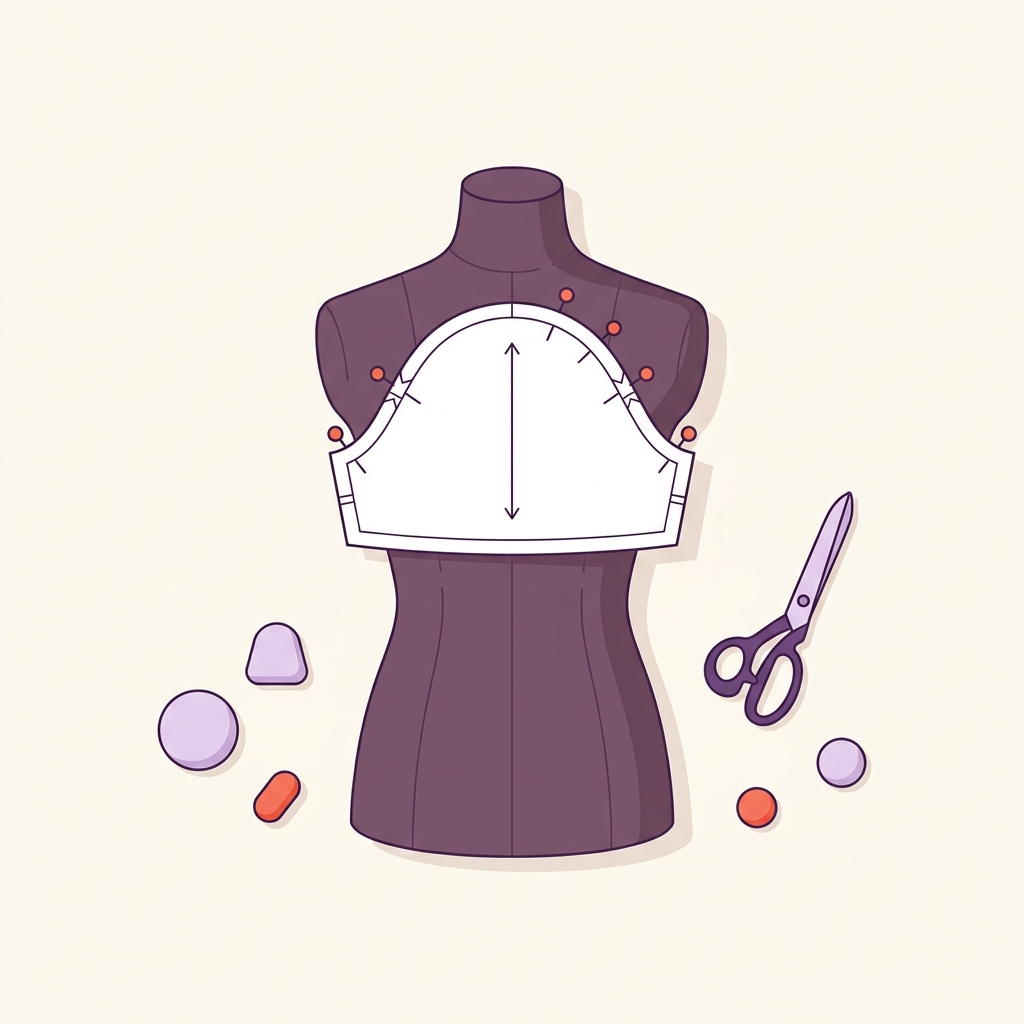
- Stop sewing and check: were all notches transferred on both pieces, are pieces right side vs wrong side oriented correctly, and are you matching the intended seam pair? Skipping or misreading notches commonly leads to mismatched seams The Haberdasher Bee: Marking Notches.
Common mistakes to avoid
- Cutting too deep: never snip past half the seam allowance; choose outward triangles or surface marks if your allowance is very narrow or your fabric frays easily Doina Alexei: Transfer Notches.
- Over-notching: add only notches you will actually use and consider the order of construction; excess notches slow sewing and can become useless after earlier seams are joined Fashion-Incubator: How many notches are too many?.
- Mixing up functions: alignment notches are not the same as clipping seam allowances for tension release on curves Doina Alexei: What Are Notches.
Before-you-sew notch checklist
Related help
- If your pattern uses mixed allowances, set your machine and technique accordingly: What is the standard seam allowance for sewing?
- Need a refresher on getting marks onto fabric cleanly: How to transfer patterns to fabric without transfer paper
FAQ
How deep should I cut a notch?
Keep snips tiny: about 2-3 mm is enough, and never past halfway into the seam allowance to protect the seam line The Cutting Class: Pattern Notches Doina Alexei: Transfer Notches.
My pattern shows different notch shapes. What should I follow?
Follow the pattern’s symbol key. Designers use triangles, slashes, or marks to indicate balance points, centers, and details; the purpose is the same: align and orient pieces correctly In the Folds: Notching patterns.
Can I skip notches and just line pieces up by eye?
It’s risky, especially on curves and complex seams; skipping notches often leads to mismatched lengths or twisted pieces The Haberdasher Bee: Marking Notches.

Related guides
Sources and further reading
- In the Folds: Notching patterns
- Doina Alexei: What Are Notches And How To Use Them
- Doina Alexei: How To Transfer Notches From Pattern To Fabric
- The Cutting Class: Fundamentals of Pattern Making — Pattern Notches
- The Haberdasher Bee: Different Methods of Marking Notches
- Fashion-Incubator: How many notches are too many?