
The journal
What is topstitch sewing?
A clear explanation of topstitching: what it is, when to use it, how it differs from understitching, and how to set up and sew clean, even topstitch lines on wovens and knits.
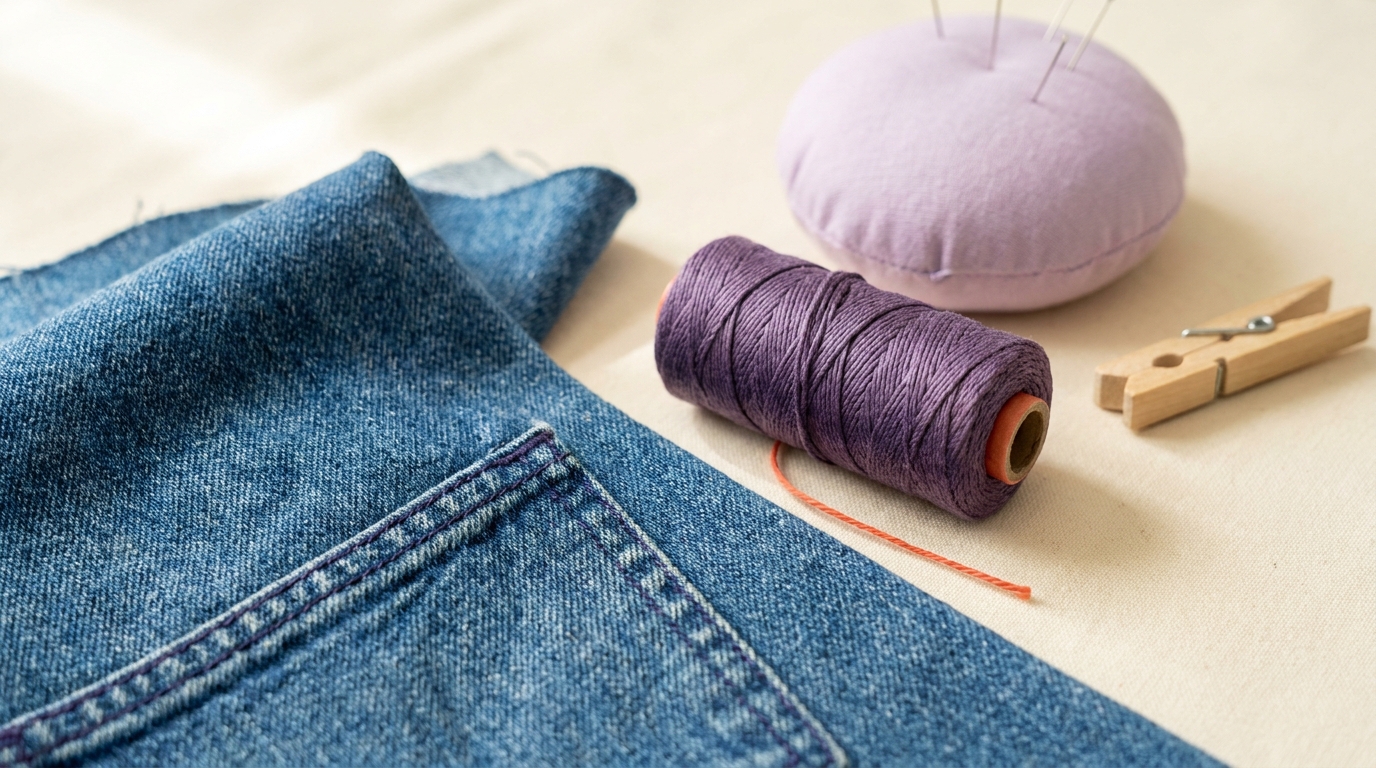
Topstitching is a visible row of stitches sewn on the outside of a garment, usually close to a seam or edge, to stabilize that edge and add a neat or decorative finish. It is commonly used where structure matters, like pocket openings, waistbands and collars, and it can also be a design detail in its own right QUILTsocial tips, Grainline Studio guide.
When and why to topstitch
Use topstitching to:
- Keep edges flat and stable after turning and pressing, especially on thicker layers like denim or bag handles QUILTsocial tips.
- Reinforce high-wear points such as pocket mouths, plackets and waistbands QUILTsocial tips.
- Add a deliberate design line using contrast thread or twin rows Grainline Studio guide.
Topstitching vs understitching
Understitching is different: it is sewn on the inside, stitching the seam allowance to the facing or lining to stop that inner layer from rolling out. It typically runs close to the seam (often about 1/8 inch or 3 mm) and should not show on the garment’s right side Twig + Tale understitching, Sew DIY basics on understitching. Choose topstitching when you want a visible, stabilizing line; choose understitching when you want the facing or lining to stay hidden.
Tools and setup that make topstitching easier
- Thread choice: Heavier topstitch or extra-strong thread gives a bolder line; all-purpose gives a subtler look. Many home sewists keep regular thread in the bobbin and the heavier thread only on top to avoid bobbin tension changes Grainline Studio guide.
- Needle: A topstitch needle has a larger eye to pass thicker thread cleanly and reduce fraying or breakage Grainline Studio guide. See our quick guide to selecting sizes by fabric in What needle size should I use for different fabrics?
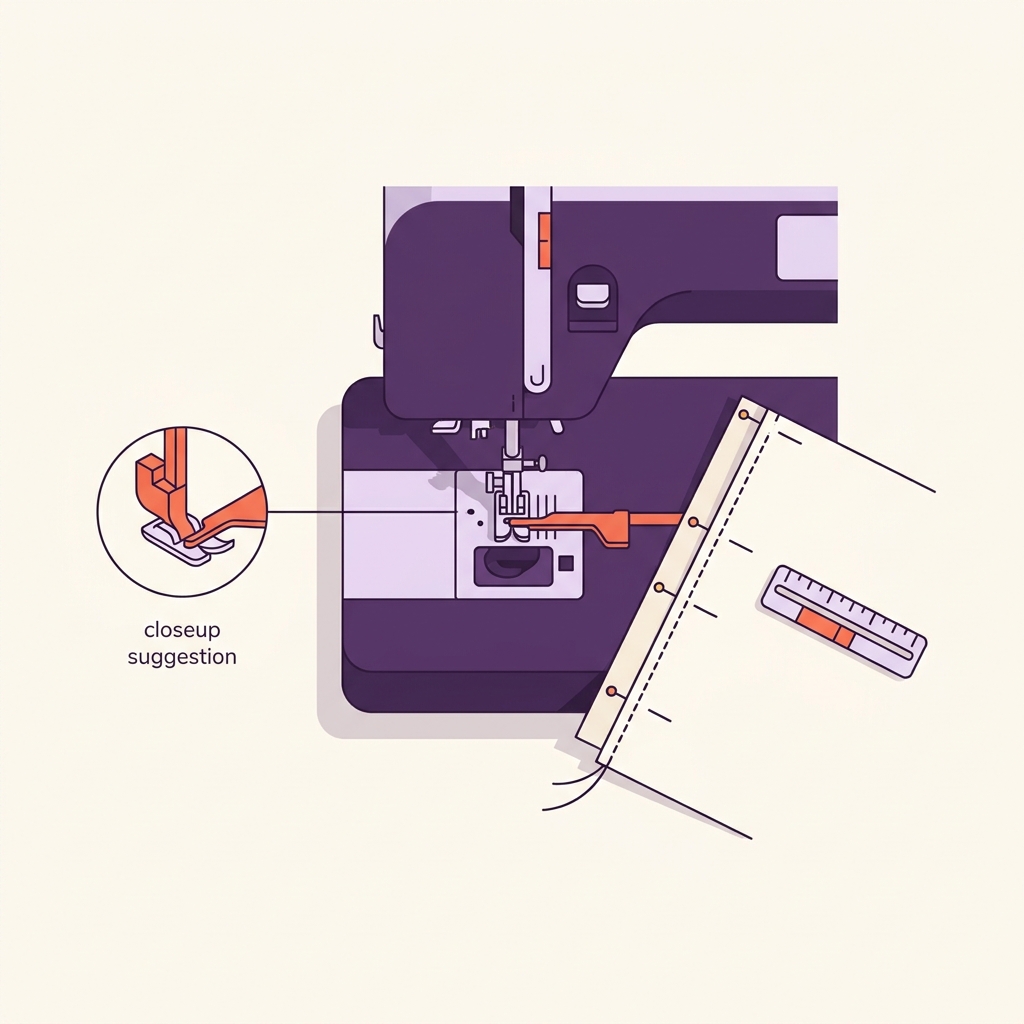
- Feet and guides: An edgestitch foot or a 1/4 inch foot helps keep lines parallel and evenly spaced Grainline Studio guide.
- Machine settings: Topstitching usually looks cleaner at a longer stitch length than your construction seams; test on scraps of your project fabric. Adjust upper tension and, if your model allows, presser foot pressure according to your machine manual Closet Core on knit topstitching.
If you are comparing threads for a bold line, this quick primer helps: Which thread is thicker: 30 or 40?
Before you sew a visible topstitch
Step-by-step: a clean topstitch line
- Press the seam flat and to shape. Grade or trim bulky allowances so the fold is crisp.
- Position your guide (foot or tape) to the distance you want from the edge. Follow your pattern’s specified distance if provided.
- Lengthen the stitch slightly compared with your construction seams for a defined, even look. Test first on scraps of the same fabric Grainline Studio guide.
- Hold the starting thread tails gently without pulling on the fabric; sew slowly around thickness changes and intersections. Many sewists prefer to tie thread tails at the start and end instead of backstitching to avoid a bulky spot Grainline Studio guide.
- Press again to set the stitches.
Knits and twin-needle topstitching
Where the machine, foot and needle plate support twin-needle sewing, follow its manual for threading and permitted width; turn the handwheel as directed to check clearance before powered sewing. For knit hems and necklines, a compatible twin needle produces two parallel lines on the right side and a zigzag on the wrong side for a neat look with some give. Widths vary (e.g., 2.5 mm or 4 mm): test which suits your fabric and design. Stabilizing with knit stay tape or similar can improve the result. Twin-needle stitches can tunnel or pop under heavy stretch, so test, and avoid very stretch-stressed openings if the stitches are failing Closet Core on knit topstitching.
Troubleshooting common issues
- Thread breakage or fraying: Use a topstitch needle so thicker thread passes cleanly; keep regular thread in the bobbin and fine-tune upper tension instead of altering the bobbin case Grainline Studio guide.
- Wavy or tunneling knits: Lengthen the stitch slightly, stabilize the edge, and adjust presser foot pressure per your machine manual Closet Core on knit topstitching.
- Uneven spacing: Switch to an edgestitch or 1/4 inch foot and use the foot’s guide for parallel lines Grainline Studio guide.
FAQ
How far from the edge should I topstitch?
Follow the pattern. If it doesn’t specify, choose a distance you can sew consistently with a guide foot. Longer stitch length and consistent spacing generally look more intentional Grainline Studio guide.
Is understitching the same as topstitching?
No. Understitching is sewn inside through the facing/lining and seam allowance to stop rolling and isn’t meant to show; topstitching is visible on the outside and can be structural or decorative Twig + Tale understitching, Sew DIY basics on understitching.
Always test on scraps of your project fabric, follow your fabric care label and pattern, and use your machine’s manual for any model-specific setup. When in doubt, pause, re-thread, and re-test before stitching the garment.