
The journal
What does “grain of fabric” mean in sewing?
A clear definition of fabric grain, how to spot lengthwise, crosswise and bias, and simple checks before you cut.
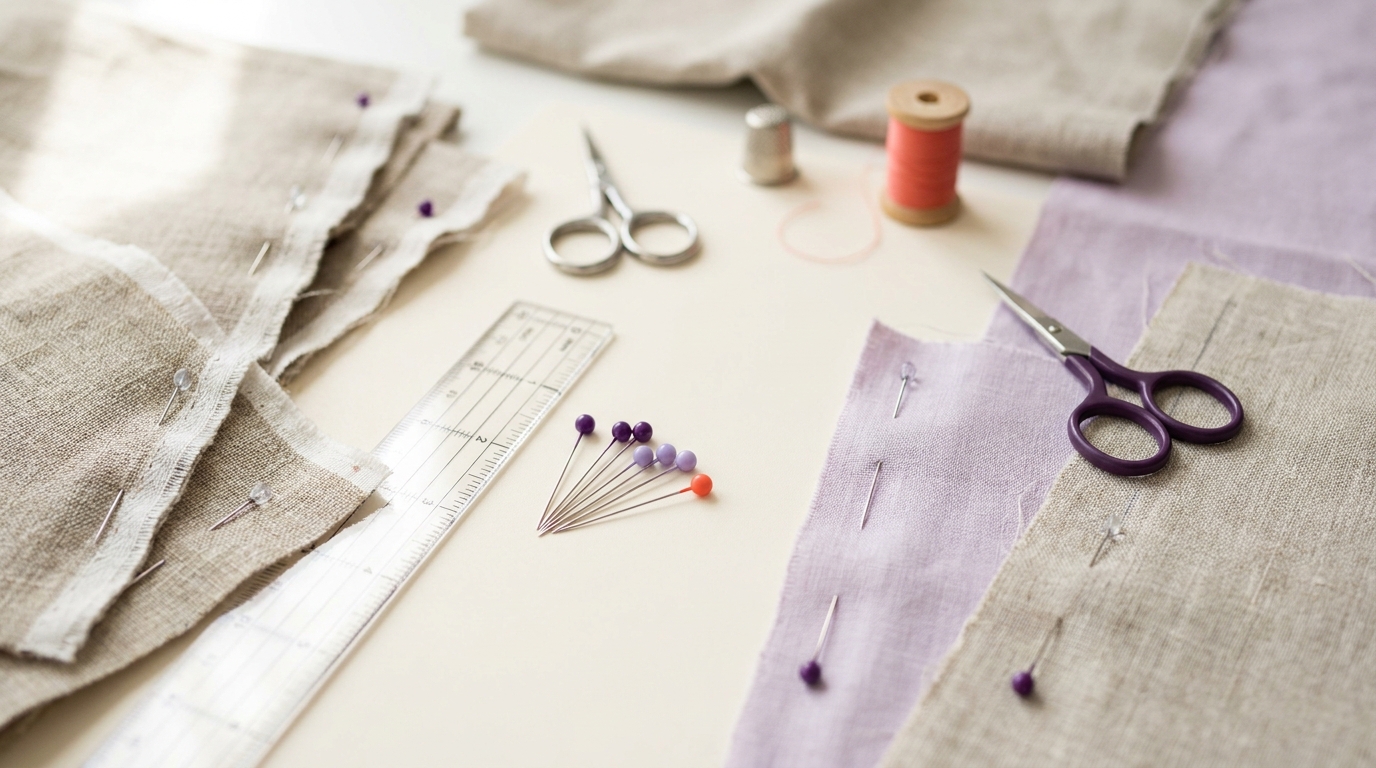
The grain of fabric is the direction of the yarns in woven cloth. Lengthwise grain (warp) runs parallel to the selvage, crosswise grain (weft) runs perpendicular to it, and the bias runs at roughly 45 degrees across the fabric. These directions affect stability, stretch and drape, and they guide how you place pattern pieces so garments hang correctly (Fabrics-store grain guide).
The three directions at a glance
- Lengthwise or straight grain: parallel to the selvage; generally the most stable direction (Fabrics-store grain guide).
- Crosswise grain: perpendicular to the selvage; usually has a bit more give than lengthwise (Snuggles Quilts: Fabric 101).
- Bias: at about 45 degrees to the selvage; offers the most stretch and fluid drape (Fabrics-store grain guide).
How to find grain on your fabric
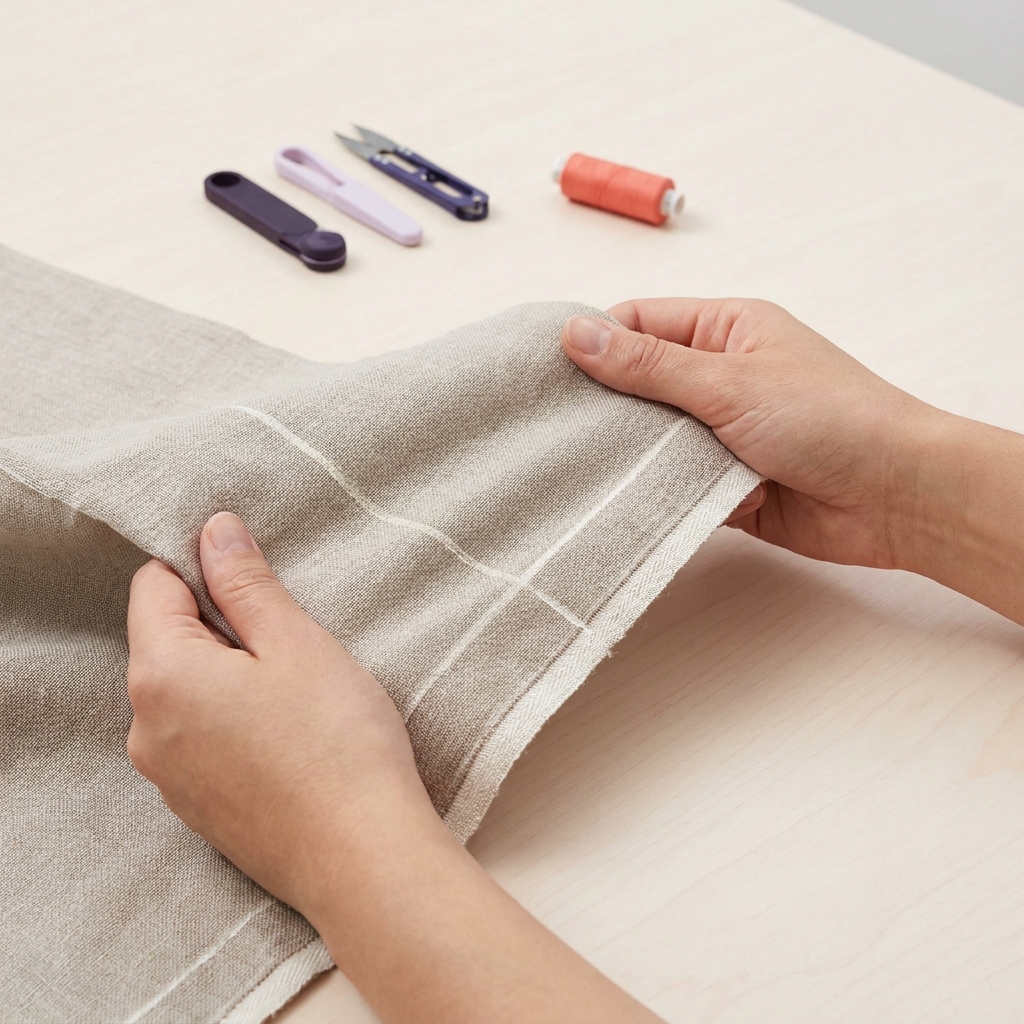
Use the selvage as your reference. The selvage is the tightly woven, finished edge that runs along the fabric’s length and helps you identify straight grain (Snuggles Quilts: Fabric 101).
- Locate the selvage. Any line drawn parallel to it marks the lengthwise grain (Fabrics-store grain guide).
- Do quick feel tests: gently pull the fabric along lengthwise and crosswise; the bias will feel the stretchiest if you pull diagonally from corner to corner (Fabrics-store grain guide).
- Use a small snip-and-tear on wovens: a straight tear line often follows the grain, helping confirm direction (Fabrics-store grain guide).
- When placing paper patterns, align each printed grainline arrow so it is parallel to the selvage by measuring the distance from both ends of the arrow to the selvage and matching those measurements (Doina Alexei: pattern layout and grain).
Check grain before you cut
Why grain alignment matters
Cutting on the intended grain helps garments hang true, improves durability in key areas, and controls stretch where you need it. Lengthwise grain offers stability, crosswise allows a bit more movement, and the bias adds maximum drape (Fabrics-store grain guide). Pieces cut off grain are more likely to twist on the body or yield uneven hems, especially where portions land on the bias (Modeliste Creative on fabric grain).
For prints with stripes, checks or nap, consistent grain alignment also keeps visual lines straight and the surface appearance cohesive (Fabrics-store grain guide).
Reading pattern grainlines in practice
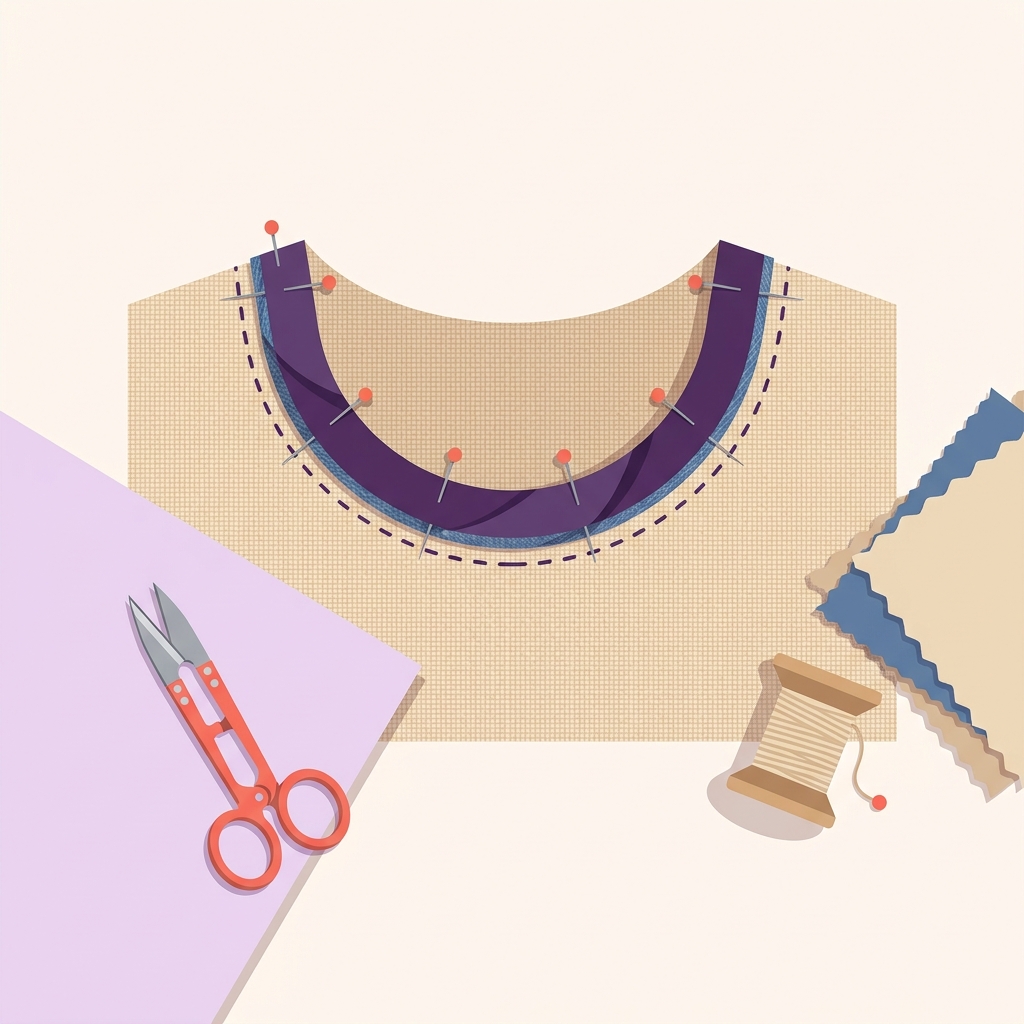
Most commercial patterns show a double-headed grainline arrow. Unless the instructions say “cut on the bias,” keep that arrow parallel to the fabric’s selvage. The most accurate method is to measure from each end of the arrow to the selvage and match those measurements before pinning or weighting the piece (Doina Alexei: pattern layout and grain). When a piece is meant to be bias-cut, its grainline will be positioned diagonally so that, when placed parallel to the selvage, the whole pattern lies around 45 degrees to the straight grain (Doina Alexei: pattern layout and grain).
Common pitfalls and quick checks
- Ignoring the selvage: without a straight reference, pieces easily go off grain. Always find or mark it first (Snuggles Quilts: Fabric 101).
- Skewed yardage: if fabric has been distorted, fold it lengthwise and align the two selvages smoothly to help assess whether it lies on grain before layout (SewGuide: selvage FAQs).
- Mismatched visual direction: on stripes/checks, confirm grain and the print direction at the same time to avoid drifting lines (Fabrics-store grain guide).
Is bias better for curves and fluid drape?
Yes. The bias direction has the most stretch and drape, which is why bias-cut pieces and bias bindings can follow curves more easily and create a fluid silhouette (Fabrics-store grain guide).
What if my fabric piece has no selvage left?
Use simple tests to approximate grain: pull diagonally to find the stretchiest bias, pull horizontally to compare stretch, or snip and tear to follow a straight grain line. Then mark your reference line before laying patterns (Fabrics-store grain guide).
Related Made in Steps guides:
- How to transfer patterns to fabric without transfer paper
- Cut a perfect square of fabric: the reliable method