
The journal
Ladder stitch vs slip stitch: the real difference
A direct answer to the main difference between ladder stitch and slip stitch, plus when it matters, quick how‑to, and a short checklist.
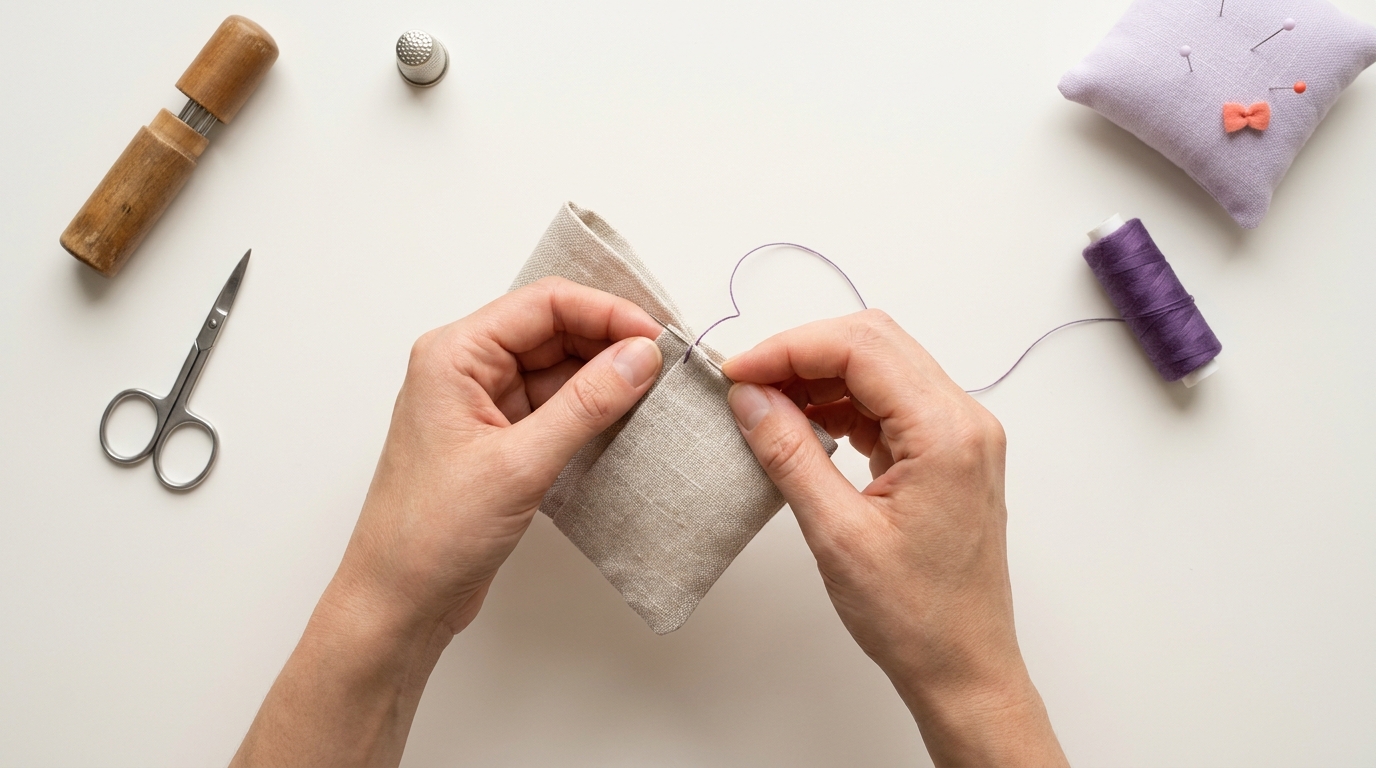
The short answer: Most modern sewing guides use ladder stitch and slip stitch as two names for the same invisible hand stitch that closes openings by taking small, even bites from fold to fold so the thread disappears when snugged. That equivalence is shown in step-by-step tutorials and videos that explicitly treat “slip stitch” and “ladder stitch” as the same technique for invisible closures (see National Sewing Circle: slip stitch, also called ladder stitch, and WhatTheCraft’s tutorial naming ladder stitch the slip/invisible stitch) National Sewing Circle: slip stitch (ladder stitch) WhatTheCraft: How to Sew the Ladder Stitch.
So what’s the “main difference” people talk about?
A minority of sewists distinguish the two by stitch proportions and use: they describe ladder stitch as equal, parallel bites on both folds that can be cinched shut at the end, and slip stitch as a tinier bite on the outer layer paired with a longer bite inside the fold to anchor a hem more securely and inconspicuously. That viewpoint isn’t universal, but it’s a useful mental model when a teacher or pattern separates the terms Tumblr post distinguishing the two.
Practical takeaway: unless your pattern defines them differently, treat the terms as interchangeable for invisible closures. If a pattern or instructor specifies distinct versions, follow their definitions and test on a scrap first.
What the stitch does, regardless of the name
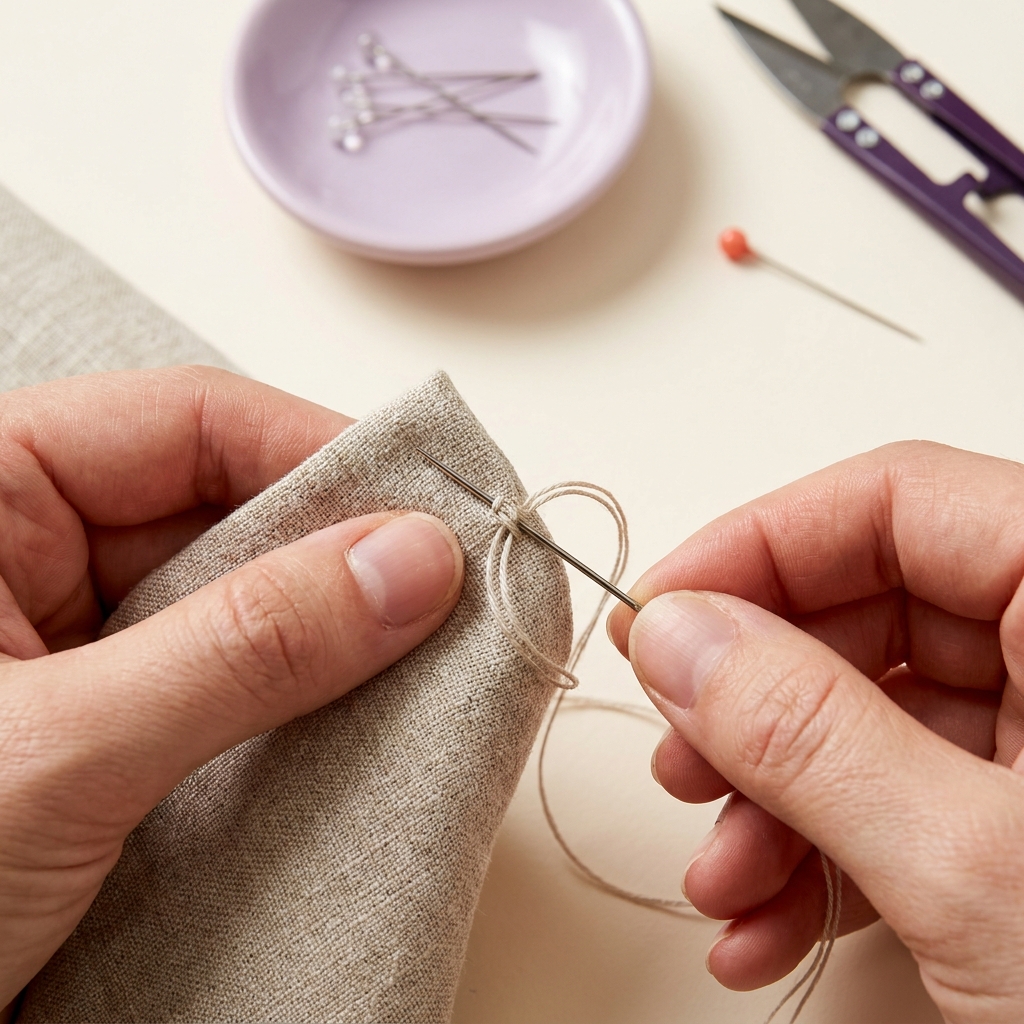
Both names are commonly used for the same invisible hand seam that joins two folded edges with hidden thread. It is a go-to for closing openings after turning a project right side out, repairing open seams on pillows and soft toys, and finishing linings where you don’t want exterior stitches to show National Sewing Circle: slip stitch (ladder stitch) Shiny Happy World: Ladder stitch for softies. Many tutorials list multiple synonyms, including invisible stitch, blind stitch, ladder stitch and slip stitch, while demonstrating the same fold-to-fold method Sweet Cinnamon Roses: Ladder stitch (aka slip, invisible).
Quick how-to for an invisible closure
Core steps you can rely on
- Press the opening edges to create crisp folds. Bring your knotted thread out right at the fold to hide the knot inside.
- Take a small horizontal bite along the fold on one side, then jump across and take a matching bite on the opposite fold. Keep stitches even and parallel, forming “rungs.”
- Every few stitches, snug the thread gently to draw the folds together without puckering. Finish with a small knot and hide the tail inside the seam allowance.
Tutorials show that even spacing and gentle tension are what make the seam disappear; smaller stitches increase invisibility, down to roughly 1/8 inch if needed WhatTheCraft: How to Sew the Ladder Stitch National Sewing Circle: slip stitch (ladder stitch).
When naming differences matter
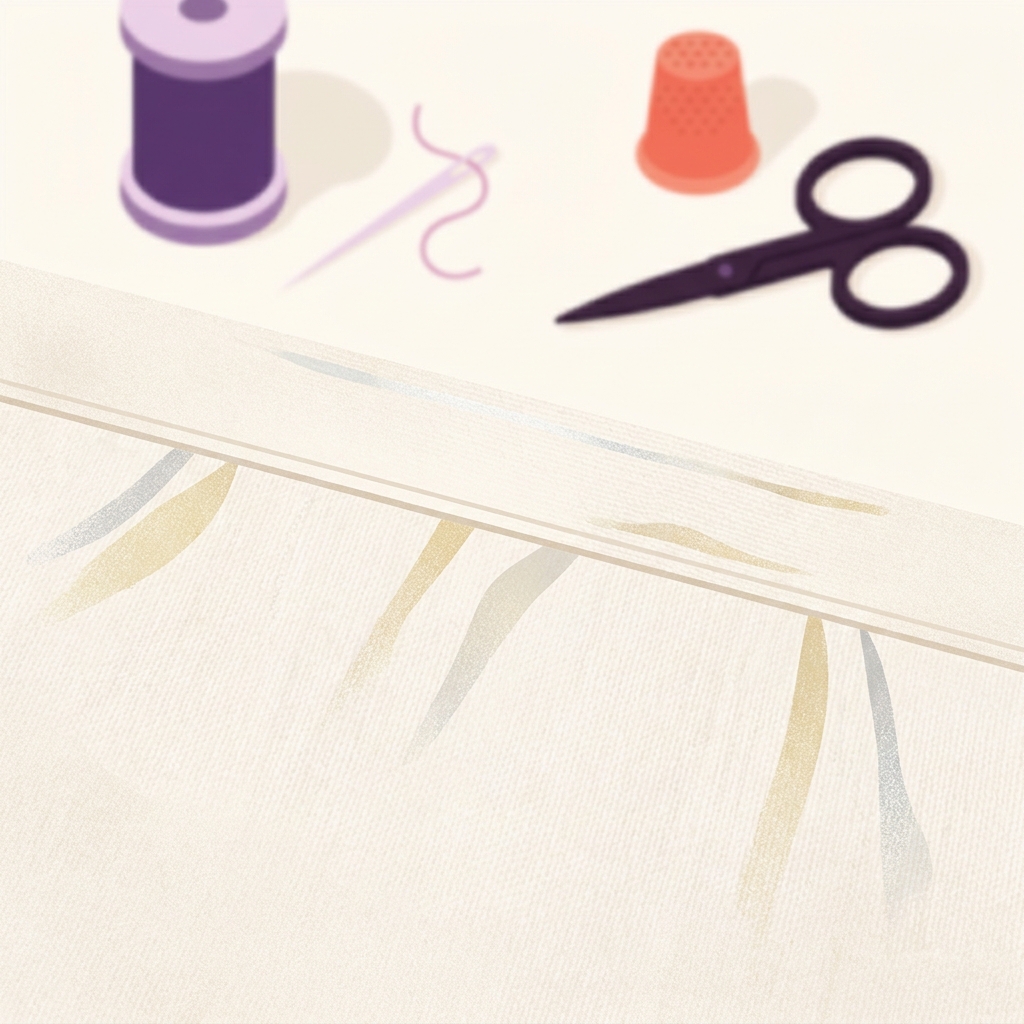
If your instructions call for “slip stitch” on a hem and show very tiny bites on the garment side, follow that proportioning. If they specify “ladder stitch” to close a turning gap, use equal, fold-to-fold bites you can cinch at the end. In short, use the photo or diagram in your pattern to match proportion and tension; the result is more important than the label Tumblr post distinguishing the two.
Where you’ll use it
- Closing pillow openings, stuffed toys and bag linings after turning right side out National Sewing Circle: slip stitch (ladder stitch) Shiny Happy World: Ladder stitch for softies.
- Finishing bindings or neat hand-finished areas where exterior stitches shouldn’t show Shiny Happy World: Ladder stitch for softies.
Related Made in Steps reads that pair well with this stitch: finishing the opening on an envelope pillowcase, and choosing a comfortable hand needle size for your fabric.
Before you sew an invisible closure
FAQ
Are ladder stitch and slip stitch the same?
In most modern tutorials and classes, yes: they are two names for the same invisible, fold-to-fold hand stitch used to close openings National Sewing Circle: slip stitch (ladder stitch) WhatTheCraft: How to Sew the Ladder Stitch.
Why do some people say they’re different?
Some sewists teach slip stitch with a very tiny bite on the outer fabric and a longer bite inside the fold (often for hems), and ladder stitch as equal bites you can cinch to close a gap. If your pattern shows a specific version, follow that diagram Tumblr post distinguishing the two.
How do I make the seam truly invisible?
Use matching thread, take small even bites exactly on the folds, and avoid over-tightening to prevent puckers. Both video and photo tutorials emphasize spacing and gentle tension for best results WhatTheCraft: How to Sew the Ladder Stitch National Sewing Circle: slip stitch (ladder stitch).