
The journal
Which thread is thicker: 30 or 40?
In the weight (wt) system, 30 wt is thicker than 40 wt. In Tex and Denier systems, the higher number is thicker. Learn to read labels and pick a suitable needle.
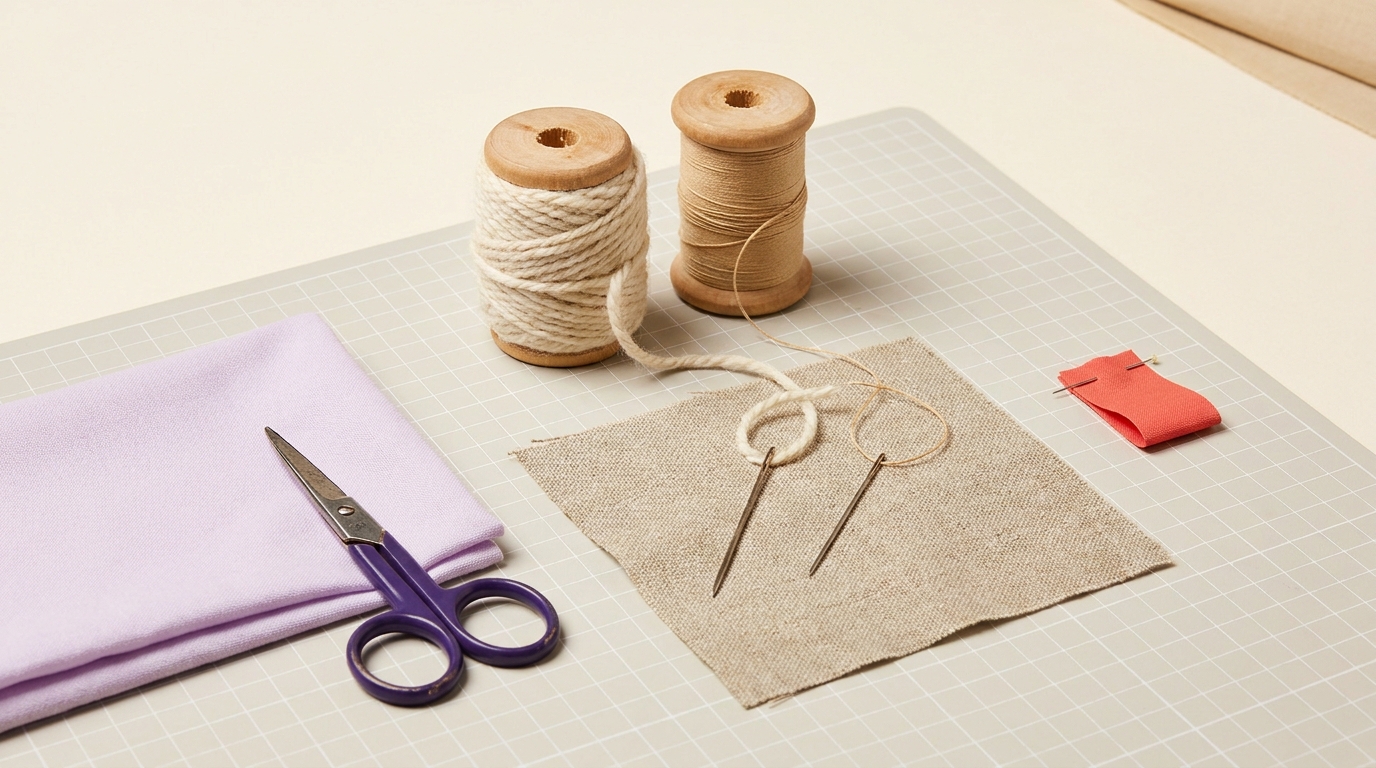
Short answer: it depends on the numbering system on your spool. In the common weight (wt) system, 30 wt is thicker than 40 wt. In Tex or Denier, the higher number is thicker (so Tex 40 is thicker than Tex 30). Ticket numbers generally run like weight: lower ticket is thicker, higher ticket is finer. Always check which system the label uses before comparing numbers Coats: Thread Numbering; Tilkkunen: sewing thread weights.
Know your system before you compare 30 vs 40
- Weight (wt): Indicates how many kilometers of thread weigh 1 kilogram. Higher wt means a finer thread, so 30 wt is thicker than 40 wt Tilkkunen: sewing thread weights.
- Tex and Denier: Fixed-length systems where a higher number means a heavier/thicker thread Coats: Thread Numbering.
- Ticket numbers: Commercial sizing often aligned with fixed-weight logic: higher ticket number is finer; lower ticket number is thicker Coats: Thread Numbering.
How labels show it
Labels like #40/3 or 50/2 use two numbers. The first is the size in that system (for example, weight/Gunze). The second is the ply count (how many strands are twisted). More plies of the same size increase strength and handling differences without changing the first size number Tilkkunen: sewing thread weights.
Practical needle choices for 30 wt and 40 wt
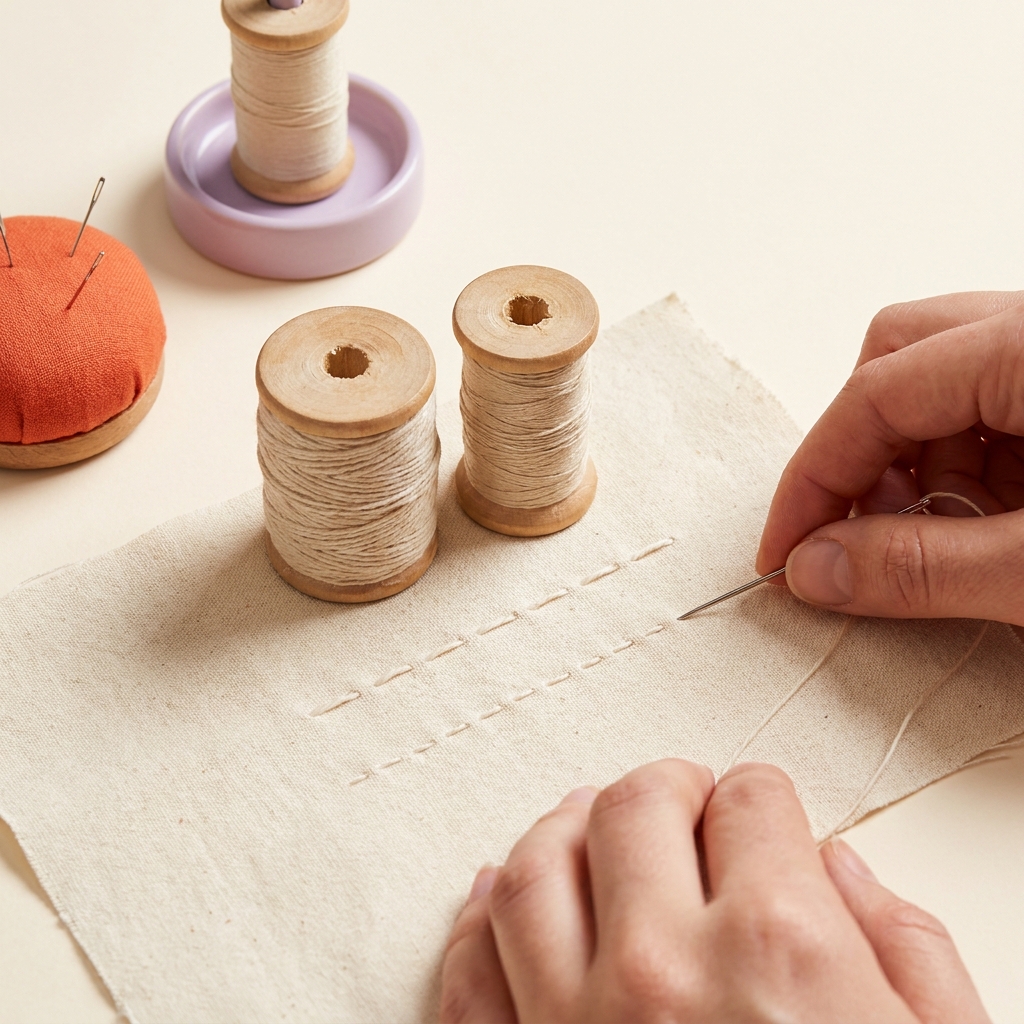
If your spools are in wt, a rough conversion helps you pick a needle: 40 wt is about Tex 25; 30 wt is about Tex 33 (Tex ≈ 1000 ÷ wt) MaggieFrameStore: thread weight guide. Needle charts then give starting sizes:
- Around Tex 25 (≈ 40 wt): try a 70/10-80/12 needle for many light-medium wovens; move up to 80/12-90/14 if the thread or fabric is denser B‑Sew Inn: thread sizes chart.
- Around Tex 30-35 (≈ 30 wt): often needs one size larger, e.g., 80/12-90/14 on many wovens; on heavier fabrics you may go higher. Manufacturer tables show Tex 27-30 pairing up to 80/12-100/16 depending on fabric and construction Coats: Thread Production (conversion table); B‑Sew Inn: thread sizes chart.
Always test on a scrap in the same fabric. If you see shredding or skipped stitches, size the needle up; if holes look too large, size down. More needle-by-fabric tips: What needle size should I use for different fabrics?
When to pick 30 wt vs 40 wt (in the wt system)
- 30 wt: thicker, more visible line for bold topstitching or quilting on sturdier fabrics. It may require a larger needle and a slightly longer stitch length. Heavier Tex ranges are recommended as fabrics get heavier B‑Sew Inn: thread sizes chart.
- 40 wt: finer than 30 wt in the wt system, useful when you want a cleaner, less bulky look on light-medium fabrics; you’ll often use a smaller needle than with 30 wt B‑Sew Inn: thread sizes chart.
Remember: only compare 30 vs 40 within the same system. In Tex or Denier, the higher number is thicker; in wt and many ticket systems, the lower number is thicker Coats: Thread Numbering; Tilkkunen: sewing thread weights.
Choose between 30 wt and 40 wt: quick setup
FAQs
Is a higher ticket number thicker?
No. In common ticket conventions, a higher ticket number means a finer thread; a lower ticket number is thicker Coats: Thread Numbering.
Is 30 wt always stronger than 40 wt?
Not necessarily. Thickness is only one factor; fiber and construction matter too. For example, continuous filament threads are significantly stronger than equivalent-size spun or cotton threads Coats: Thread Production.
Having tension issues after you switch thread sizes? See quick fixes in Why there are thread loops under your fabric when you sew, and how to fix them.